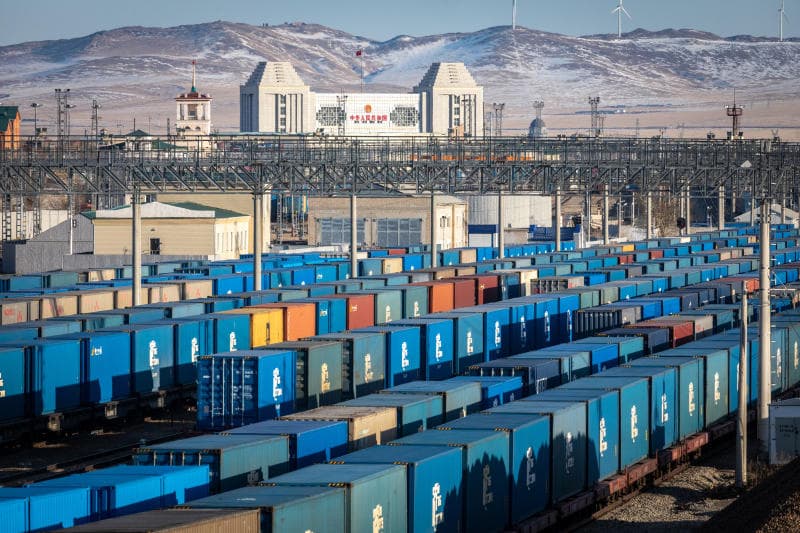
Russia and China are collaborating on the development of a driverless container rail system intended for cross-border freight transport in the Far East region. This initiative involves joint efforts to create the necessary technological infrastructure and protocols for autonomous train operations between the two countries.
For freight forwarders and operations managers, the successful implementation of such a system could significantly impact transit times and operational efficiency on the Russia-China rail corridor. Automation may lead to reduced labor costs and potentially faster border crossings, improving schedule reliability. However, initial deployment might involve new customs procedures and technical integration challenges for shippers and logistics providers utilizing this route.