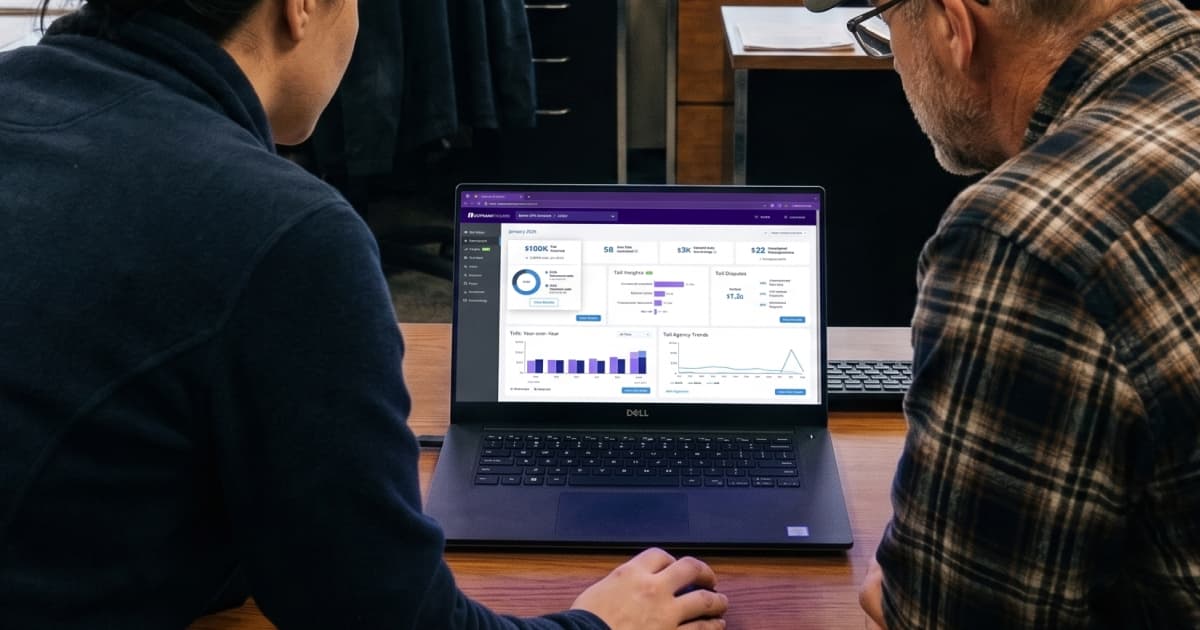
Toll transaction records, often viewed merely as a cost on a monthly invoice, contain a wealth of operational data that fleet managers can leverage. Each record details the time, location, lane used, vehicle, and license plate, providing a comprehensive snapshot of a vehicle's journey. While the toll rates themselves are predetermined and non-negotiable, the associated data can be analyzed to understand the efficiency of fleet operations.
By examining this granular data, companies can identify patterns in driver routes, assess adherence to planned schedules, and pinpoint areas where operational adjustments could lead to better performance. For instance, frequent use of specific toll lanes or routes might indicate driver preferences or inefficiencies that could be addressed through training or route planning modifications. This deeper analysis moves beyond simple cost accounting to provide actionable intelligence for optimizing fleet management.
For freight forwarders and logistics professionals, understanding and utilizing this data means more than just budgeting for tolls. It offers a tool to evaluate and improve the efficiency of their road freight operations, potentially reducing transit times, optimizing fuel consumption, and enhancing overall service delivery. By integrating toll data with other telematics, forwarders can gain a holistic view of their landside movements, leading to more informed decision-making regarding routing, driver assignments, and cost management.