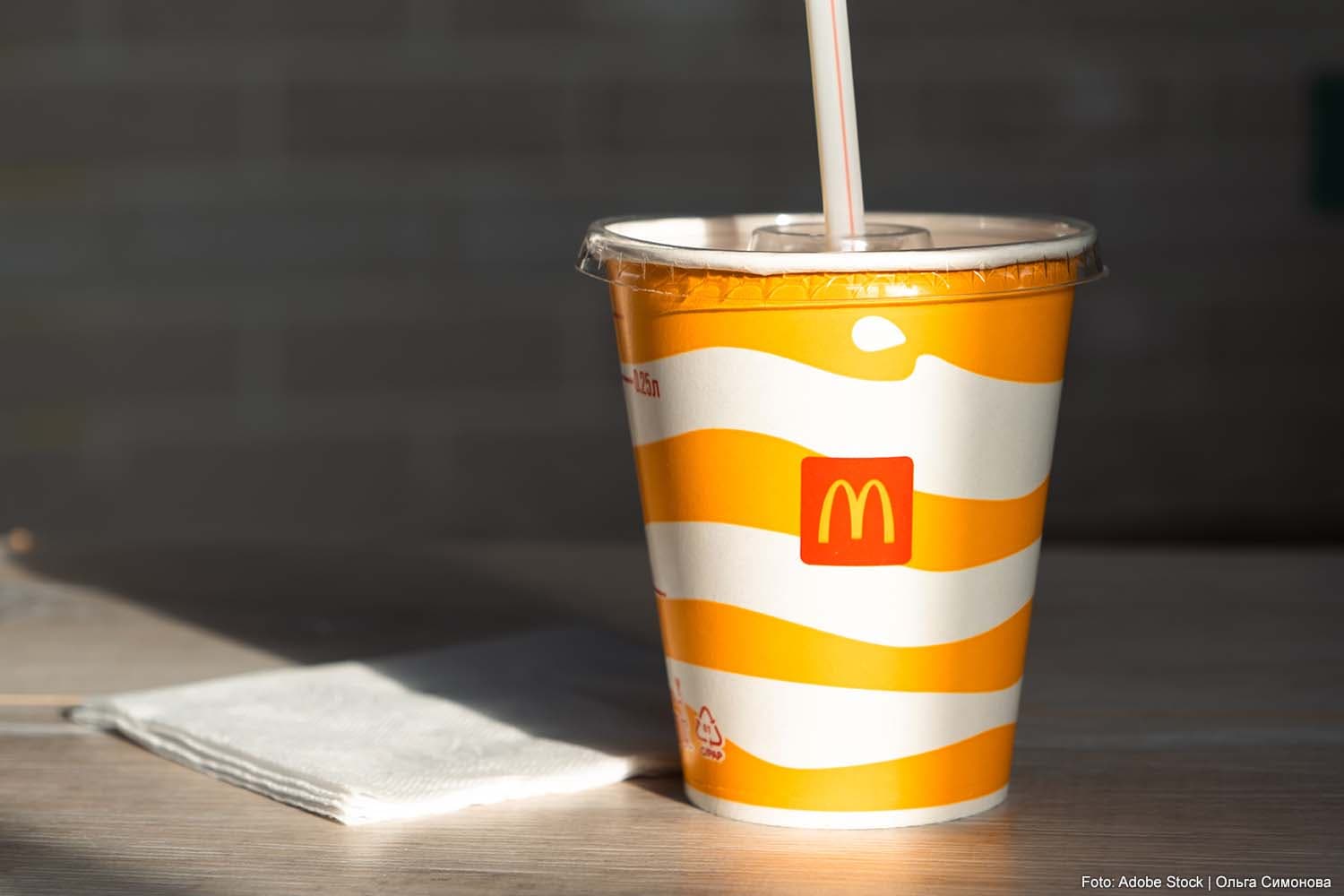
McDonald's Netherlands is under pressure from the Dutch Human Environment and Transport Inspectorate (ILT) to fully implement reusable cups for customers dining in its restaurants. The deadline for this transition is January 5, 2027. Failure to comply will result in significant financial penalties, as the ILT has issued a periodic penalty payment, citing the company's non-adherence to disposable cup regulations that have been in effect since 2024.
This regulatory action stems from broader environmental initiatives aimed at reducing waste from single-use plastics. The Netherlands, like many other countries, is implementing stricter rules to promote sustainability within the hospitality and food service sectors.
For freight forwarders and logistics operations, this specific regulation primarily impacts the supply chain for McDonald's in the Netherlands. It necessitates a shift from sourcing and distributing disposable cups to managing the logistics of reusable cups, including procurement, cleaning, and redistribution. This could lead to changes in warehousing, transport frequency, and potentially the types of vehicles used for delivery, as reusable items require reverse logistics and hygiene protocols. While not directly affecting international freight rates or capacity, it highlights a growing trend of localized environmental regulations that can influence domestic supply chain design and operational costs for large enterprises.