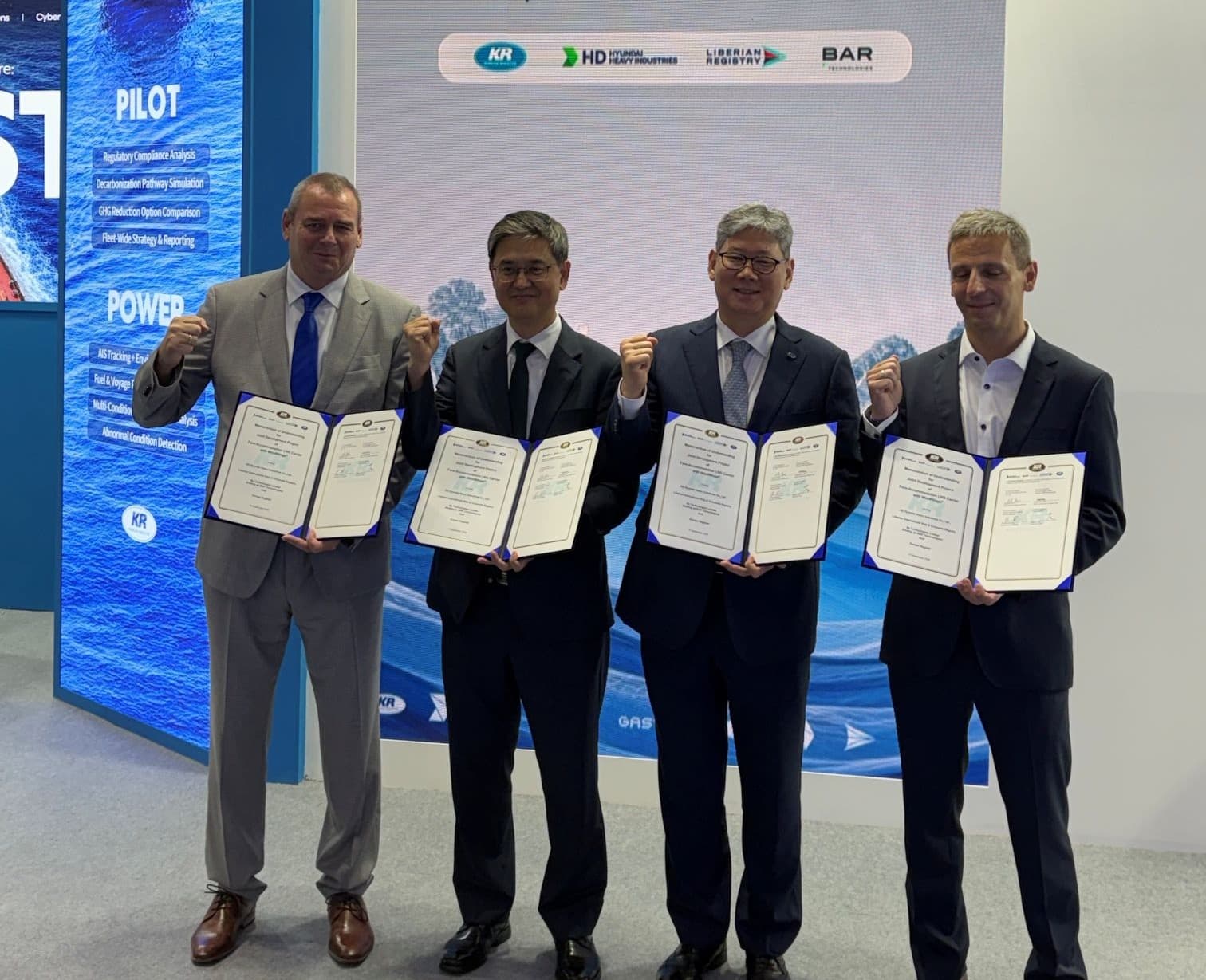
HD Hyundai, in collaboration with BAR Technologies and various classification societies, is currently assessing the feasibility of installing WindWings rigid sails on a new 174,000-cubic-meter LNG carrier design. This project seeks to determine if rigid sail technology can effectively lower fuel consumption and greenhouse gas emissions within the liquefied natural gas shipping industry.
This development is part of a broader trend in maritime decarbonization, where alternative propulsion methods are being explored to meet increasingly stringent environmental regulations. The application of wind-assisted propulsion on large gas carriers represents a significant step towards achieving more sustainable shipping operations.
For freight forwarders and shippers, the successful implementation of such technologies could lead to more environmentally friendly shipping options for LNG cargoes. While direct rate impacts are not immediately clear, a reduction in fuel consumption could, in the long term, contribute to more stable or even lower operational costs for carriers, potentially influencing freight rates. It also signals a commitment from carriers and shipbuilders to green logistics, which may be a factor for shippers with strong ESG mandates.
Should the trials prove successful, this could pave the way for wider adoption of wind-assisted propulsion across the LNG fleet and potentially other vessel types, contributing to the industry's overall decarbonization goals.