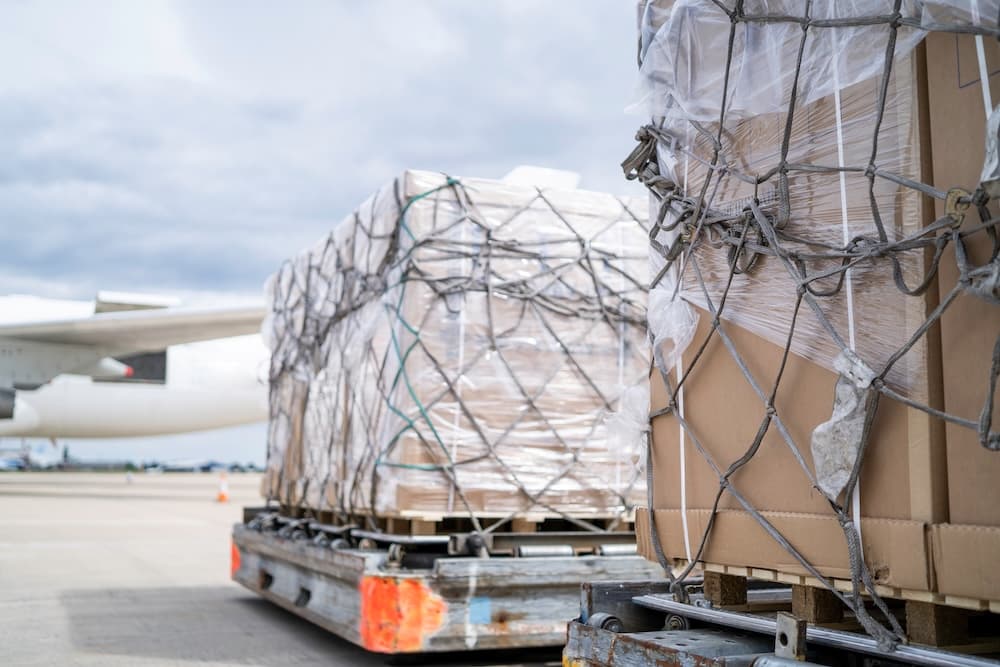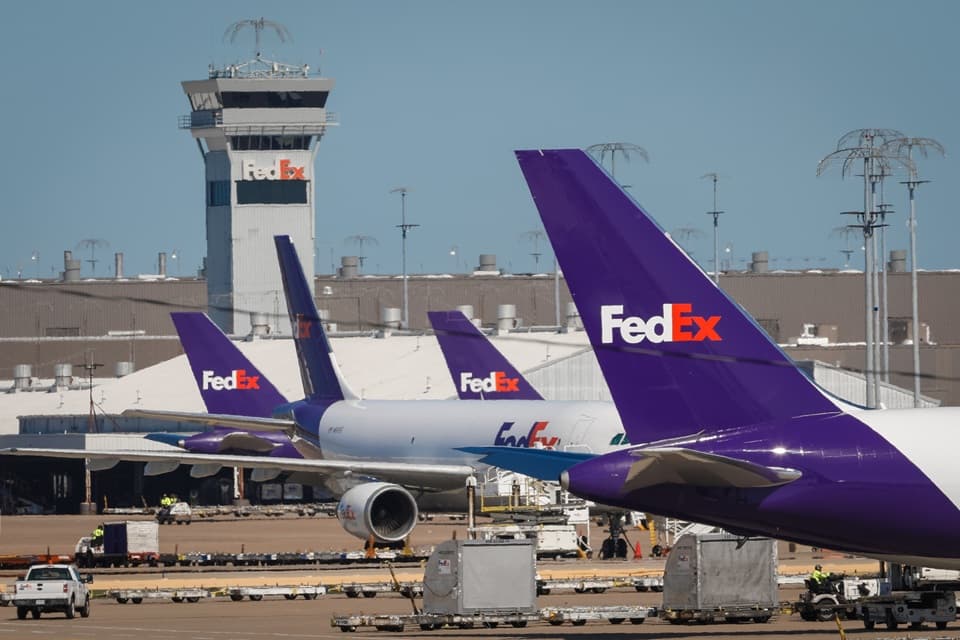
The air cargo sector navigated a challenging landscape in 2025, marked by substantial uncertainty. Key contributing factors included the introduction of new tariffs, the United States' decision to end the de minimis exemption for imported goods, and ongoing geopolitical tensions. These elements combined to create widespread disruptions across global supply chains.
For freight forwarders and operations managers, this period of instability translated into increased operational complexities. The fluctuating market conditions likely led to unpredictable air freight rates and capacity constraints on various trade lanes. Forwarders would have needed to constantly monitor geopolitical developments and regulatory changes, particularly those impacting trade flows and customs procedures. The end of the US de minimis exemption, for instance, would have directly affected e-commerce logistics, potentially increasing costs and transit times for smaller shipments into the US, requiring adjustments in routing and pricing strategies.
Looking ahead, the industry's ability to quickly adapt to such challenges will remain crucial. Forwarders should prioritize flexible booking options and maintain strong relationships with multiple carriers to mitigate risks associated with sudden market shifts and capacity shortages.