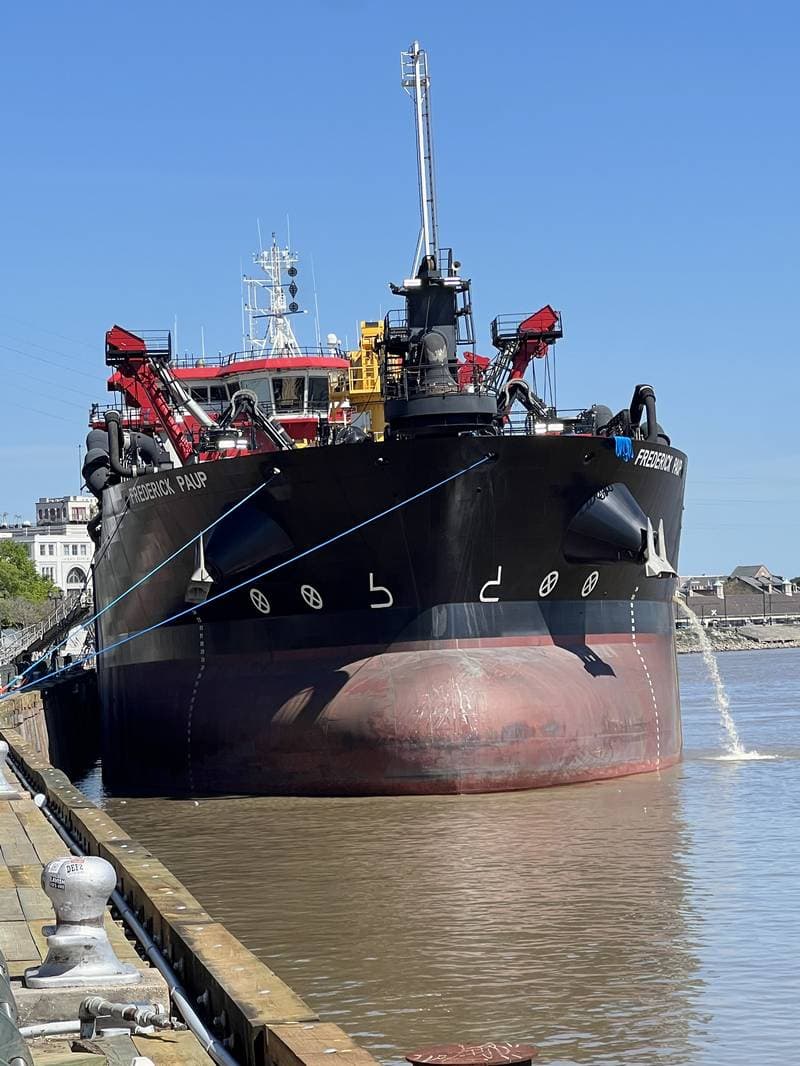
The American dredging industry is currently facing significant operational and economic challenges due to existing policy frameworks. Key issues include the frequent use of Jones Act waivers, which allow foreign-flagged vessels to operate in US waters, and environmental regulations that are considered outdated. Industry representatives contend that these policies hinder economic development and compromise national security interests by weakening the domestic maritime sector.
Historically, the Jones Act has been a cornerstone of US maritime policy, aiming to support American-owned and operated vessels, shipyards, and crews. However, waivers to this act, often granted for specific projects or in emergencies, are seen by some as eroding the protective intent of the legislation. Concurrently, environmental regulations, while crucial, are perceived by the industry as not keeping pace with modern technological advancements or data-driven insights, leading to inefficiencies and increased costs.
For freight forwarders and supply chain managers, the health of the US dredging industry is indirectly critical. Efficient dredging ensures that port channels remain deep enough for larger vessels, preventing potential delays and enabling optimal vessel utilization. If dredging operations are hampered, it could lead to draft restrictions, forcing carriers to lighten loads or divert to other ports, ultimately impacting transit times and freight costs. A robust domestic dredging capacity is essential for maintaining competitive port infrastructure, which directly affects the flow of goods and the reliability of supply chains.
Moving forward, the industry advocates for a shift towards more contemporary, evidence-based policy-making. This would involve a re-evaluation of Jones Act waiver processes and an update to environmental regulations to better align with current technological capabilities and economic realities, aiming to foster a more resilient and efficient US dredging sector.