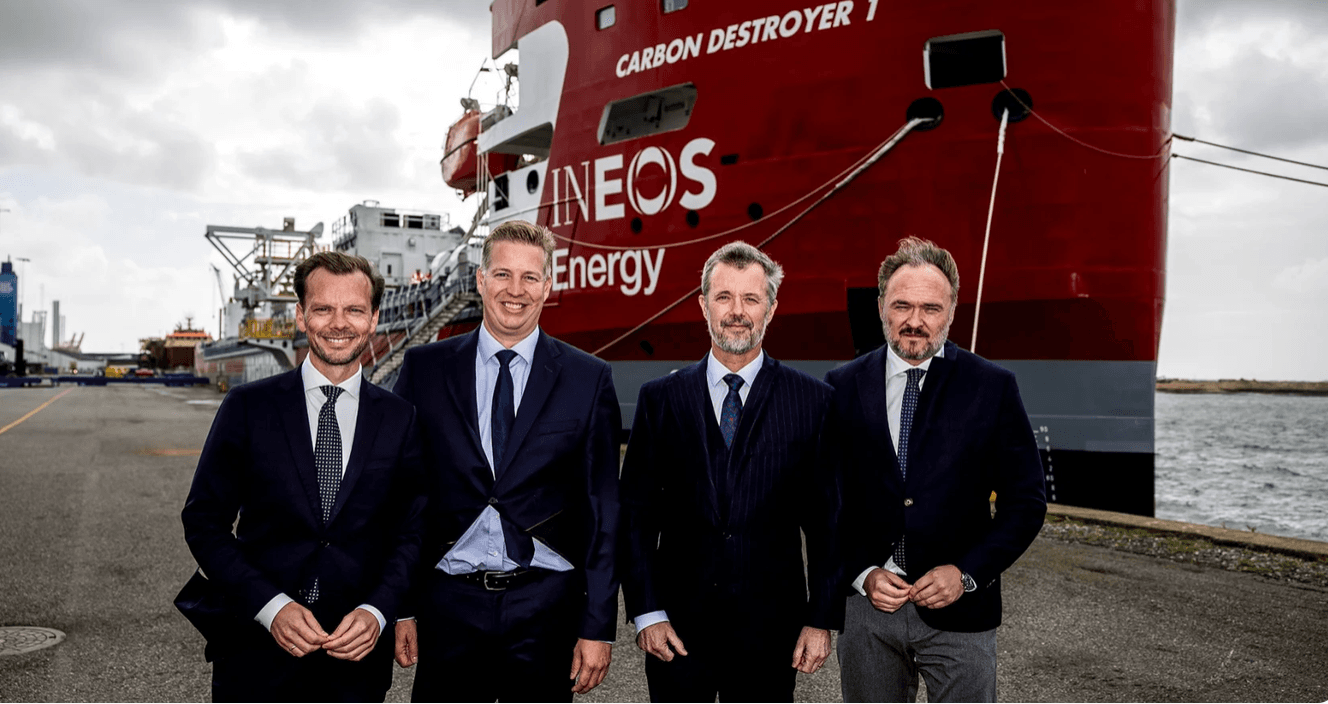
Port Esbjerg in Denmark is strategically positioning itself as a primary European hub for the burgeoning CO2 shipping market. This move aligns with the recent launch of commercial offshore CO2 storage by Project Greensand, a significant initiative led by INEOS. The port anticipates substantial growth in this sector, driven by industrial demand from Germany and the increasing need for specialized vessels and infrastructure in the North Sea region.
This development is poised to reshape the logistics landscape for carbon capture, utilization, and storage (CCUS) over the coming decades. The port's ambition includes substantial expansion plans to accommodate the projected increase in CO2 transport and storage activities.
For freight forwarders and logistics professionals, this signifies the emergence of a new, specialized cargo stream. It will require expertise in handling CO2, potentially involving new vessel types and port facilities. Forwarders should monitor the development of this market, particularly concerning specialized equipment, safety protocols, and potential routing implications for industrial clients engaged in decarbonization efforts. The growth of CO2 shipping could also lead to new investment opportunities in port infrastructure and specialized maritime services.