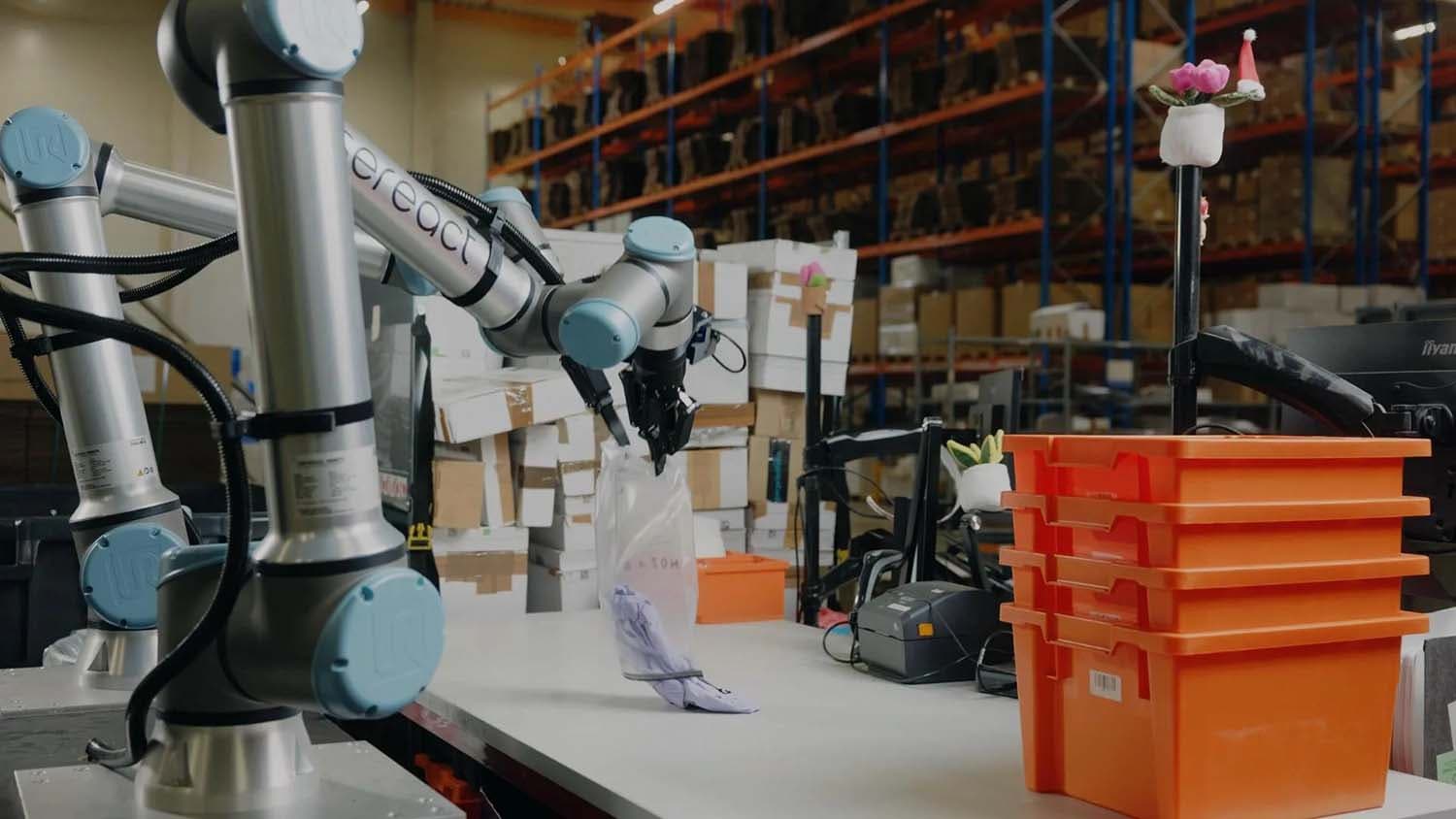
Zalando, in partnership with CEVA Logistics and technology firm Sereact, has initiated the automated processing of returned goods through artificial intelligence. Dual-arm robots have been deployed at logistics facilities located in Greven, Germany, and Świebodzin, Poland. These robots are designed to autonomously recognize, pick up, and sort returned apparel.
This development represents a move towards greater automation in the e-commerce returns sector, which typically involves labor-intensive manual sorting and quality checks. By leveraging AI and robotics, Zalando aims to streamline this complex process, reducing operational costs and improving turnaround times for returned merchandise.
For freight forwarders and logistics operations managers, this signifies a trend towards increased automation in warehousing and fulfillment, particularly for e-commerce. While not directly impacting linehaul rates or capacity, it highlights how major shippers are investing in technology to optimize their supply chains. This could lead to faster processing of returns, potentially reducing storage costs and improving inventory flow, which indirectly benefits the overall efficiency of the logistics network. Forwarders handling e-commerce clients should note the growing emphasis on automated solutions for reverse logistics.
The implementation is an initial phase, suggesting potential for further expansion of AI-driven automation in Zalando's and CEVA Logistics' wider networks.