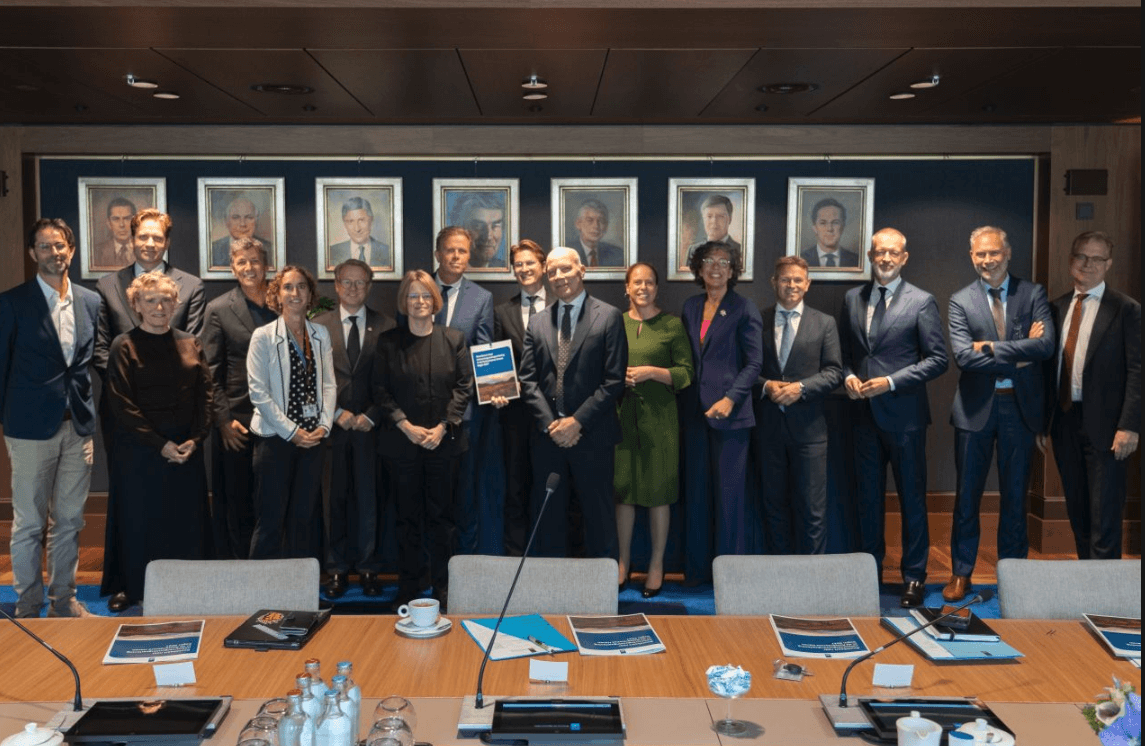
The Port of Rotterdam has announced a significant €50 million investment in a nature recovery program, with the strategic goal of resuming industrial permitting processes by 2027. This initiative is designed to address environmental concerns that have previously impacted permit approvals, thereby enabling the unblocking of delayed port infrastructure projects. The program is also expected to accelerate the port's industrial decarbonization agenda and facilitate further investments in electrification across the extensive maritime logistics hub.
This environmental commitment is crucial for the port's future development, as it directly impacts the ability to expand and modernize facilities. The nature recovery plan is a proactive step to ensure long-term operational viability and sustainable growth, aligning with broader European environmental objectives.
For freight forwarders and supply chain managers, this development is significant. The successful restart of permitting processes means greater certainty for future port capacity and infrastructure improvements, which could enhance operational efficiency and reduce potential bottlenecks. It also signals a commitment to sustainable logistics, which may influence carrier choices and compliance requirements in the long run. The acceleration of decarbonization and electrification investments could lead to greener logistics options and potentially impact costs associated with environmental compliance.
If successful, the program is anticipated to allow the port to proceed with planned expansions and upgrades, supporting its role as a key European gateway. The focus on decarbonization and electrification also suggests a move towards more sustainable and potentially more resilient port operations in the coming years.