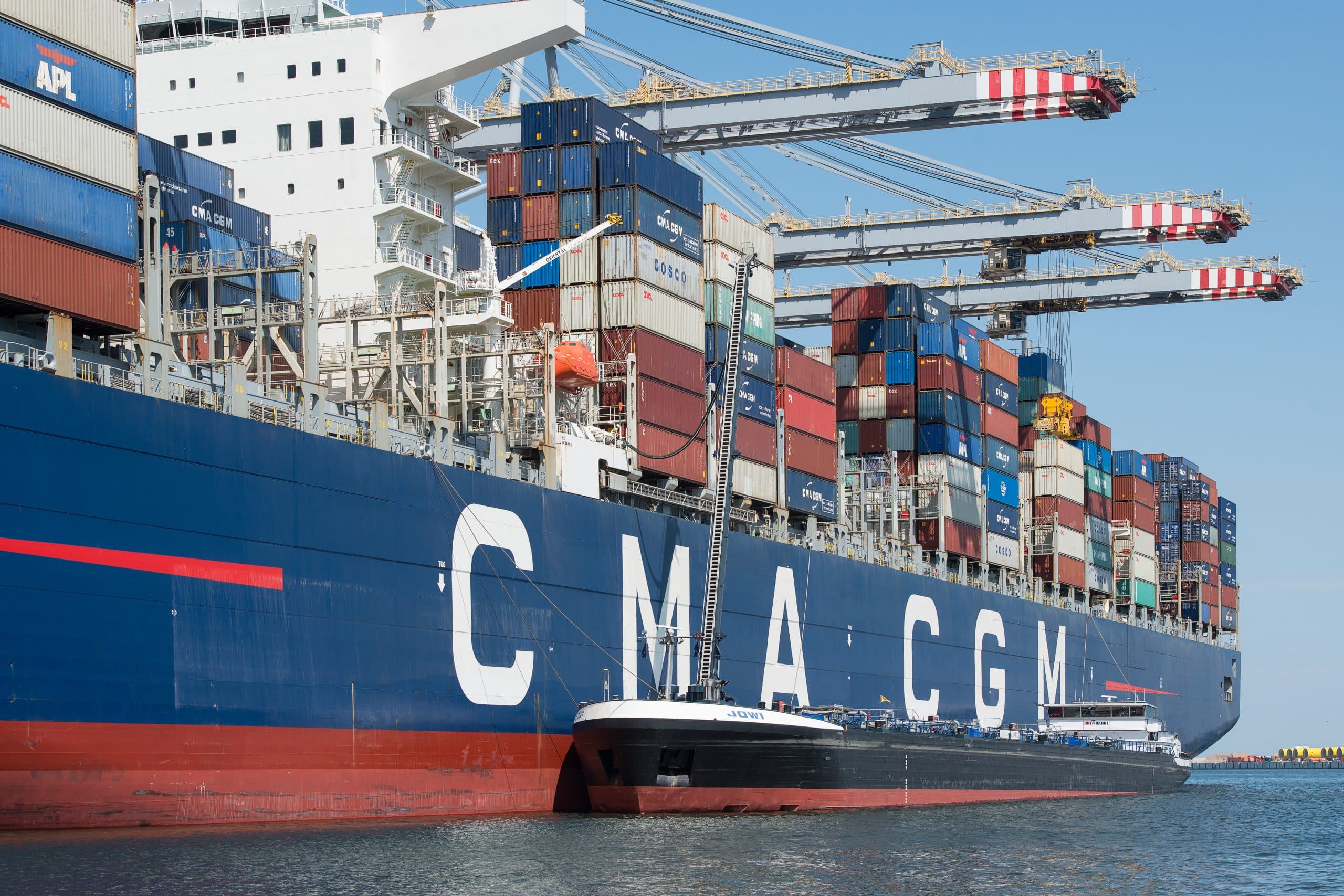
The US Customs and Border Protection (CBP) has put forward new regulations targeting low-value shipments entering the United States. These proposed changes would introduce more stringent manifest data requirements for ocean carriers and necessitate the use of licensed customs brokers for specific import categories, even for goods below the typical de minimis threshold. The initiative is primarily driven by a desire to improve supply chain security and ensure greater compliance with import regulations, particularly in the rapidly expanding e-commerce sector.
For freight forwarders and operations managers, these proposed rules could lead to increased administrative burdens and potentially higher costs. Enhanced data requirements mean more detailed and accurate information must be provided upfront, which could slow down the customs clearance process if not managed efficiently. The mandate for customs brokers on certain low-value shipments, which might previously have cleared with less formal procedures, will add an extra layer of cost and complexity. Forwarders will need to ensure their systems and processes are updated to meet these new data standards and that their clients are aware of the potential for additional brokerage fees. This could impact the speed and cost-effectiveness of handling high volumes of e-commerce parcels.
The full scope and implementation timeline of these proposed rules are yet to be finalized, but the industry will need to prepare for potential shifts in operational procedures and compliance protocols.