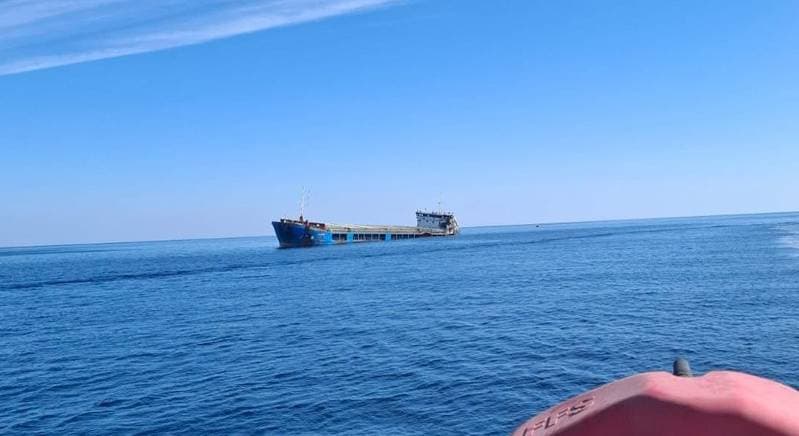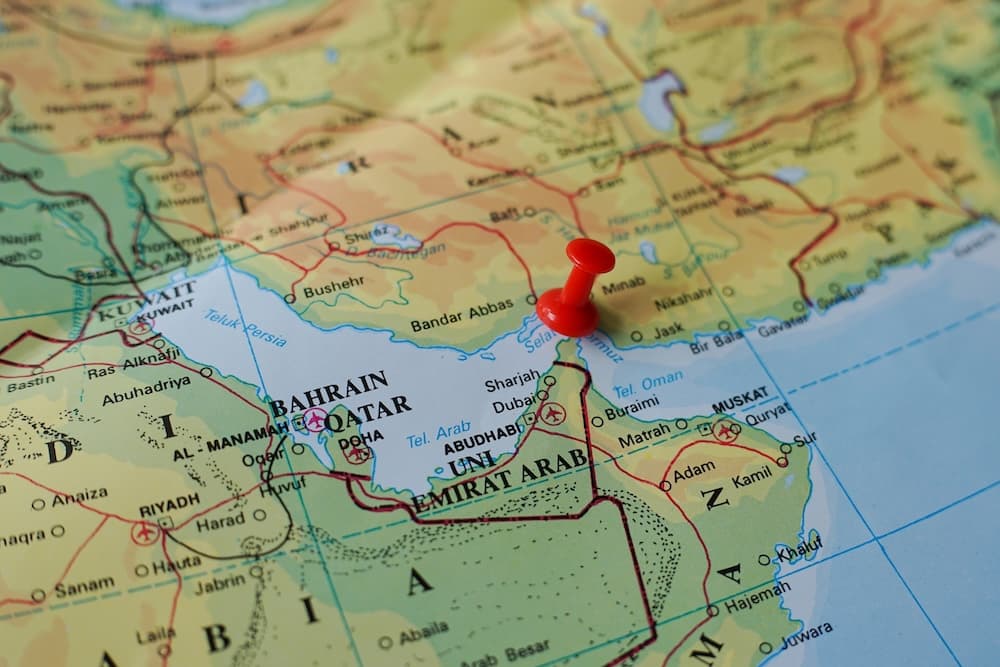
The current situation in the Strait of Hormuz underscores the inherent risks associated with global trade routes that are highly concentrated. This critical chokepoint has experienced significant disruptions, resulting in a noticeable reduction in shipping traffic, an upward trend in global oil prices, and a general increase in freight expenses across various modes.
Australia is particularly susceptible to these disruptions, given that over 99% of its international trade is conducted via sea. The nation's substantial dependence on imported fuel sources further exacerbates its vulnerability to any instability in key maritime passages like the Strait of Hormuz. The unpredictable access and escalating operational costs stemming from such geopolitical events directly impact the reliability and economic viability of supply chains.
For freight forwarders and operations managers, this situation translates into heightened operational risks and potential cost increases. Shippers should anticipate longer transit times, possible rerouting, and elevated war risk premiums, directly affecting their budgeting and delivery schedules. The instability necessitates a re-evaluation of routing strategies and a greater emphasis on supply chain resilience to mitigate future disruptions.