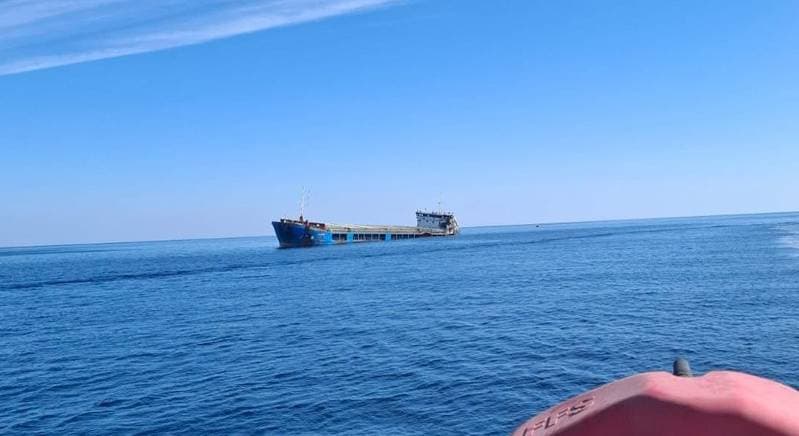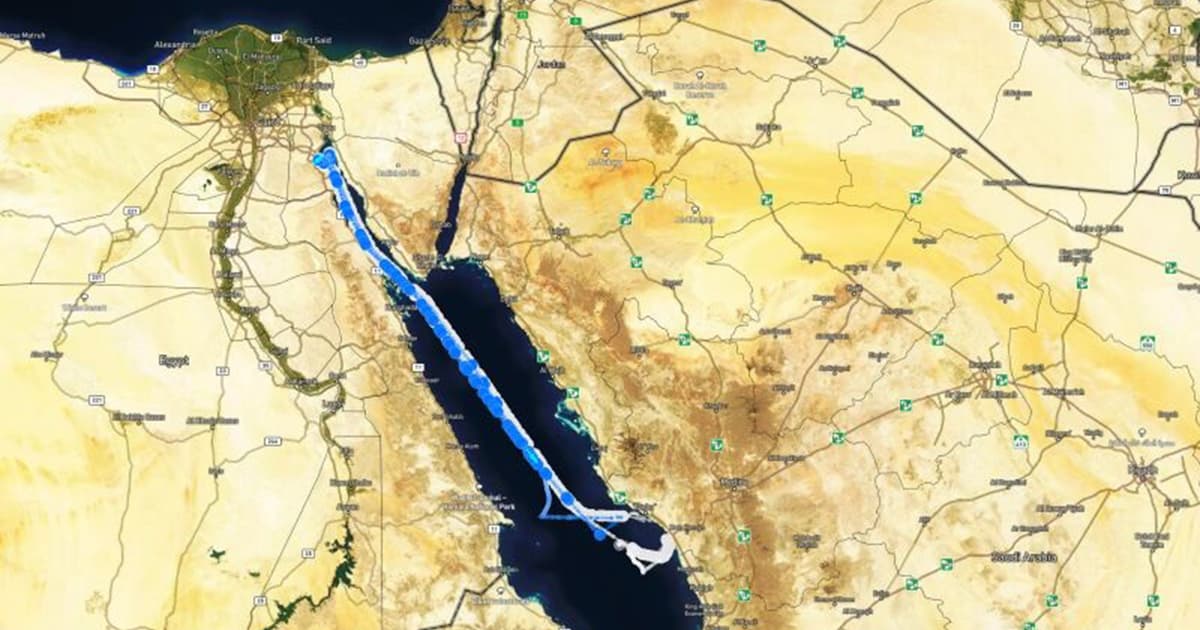
Saudi Arabia has begun utilizing Sinokor-operated tankers to move its oil supplies north, a strategic maneuver designed to circumvent areas prone to attacks by Houthi forces in the Red Sea and Gulf of Aden. This operational adjustment aims to maintain consistent oil flows to international markets, ensuring that the OPEC producer can sustain its export commitments despite regional instability. The approach is reminiscent of a similar tactic previously adopted by the United Arab Emirates, which involved transporting oil out of the Persian Gulf via the Strait of Hormuz to mitigate security risks.
For freight forwarders and logistics professionals, this development signifies ongoing volatility in key maritime trade lanes. The rerouting of oil tankers impacts vessel availability and potentially increases transit times and costs for other cargo types, particularly those reliant on the same vessel classes or operating in adjacent regions. It underscores the necessity for flexible routing options and robust risk assessment in supply chain planning, especially when dealing with critical commodities like oil. The shift in tanker movements could lead to altered port calls and increased demand for specific vessel types in less conventional routes, influencing capacity and pricing dynamics for related services.