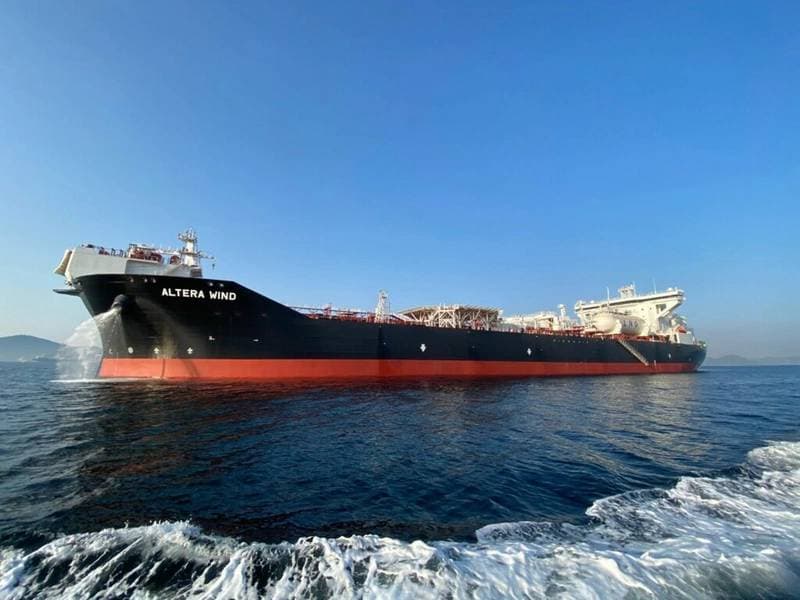
A substantial influx of new capital is being channeled into the dedicated shuttle tanker segment. This investment surge is primarily a response to two key factors: the advanced age profile of the existing global shuttle tanker fleet and the rapid expansion of offshore oil and gas developments, particularly in Brazil.
Shuttle tankers represent a highly specialized class of vessels, distinguished by their dynamic positioning (DP) capabilities. These systems allow them to maintain a precise position relative to offshore installations, even in challenging sea conditions, which is essential for safely loading crude oil directly from floating production, storage, and offloading (FPSO) units or other offshore platforms. They then transport this crude to onshore terminals or transfer it to conventional tankers for longer-haul voyages.
For freight forwarders and logistics professionals, this trend signals a potential increase in specialized vessel availability for offshore projects, particularly those involving crude oil evacuation. While not directly impacting container or general cargo rates, it highlights a growing niche in maritime logistics. Forwarders involved in project cargo or supporting the energy sector should monitor the order book for these vessels, as their deployment could influence the broader availability of specialized tonnage and port infrastructure in regions like Brazil. The renewed investment suggests confidence in long-term offshore production, which might indirectly affect demand for support services and equipment transport to these regions.