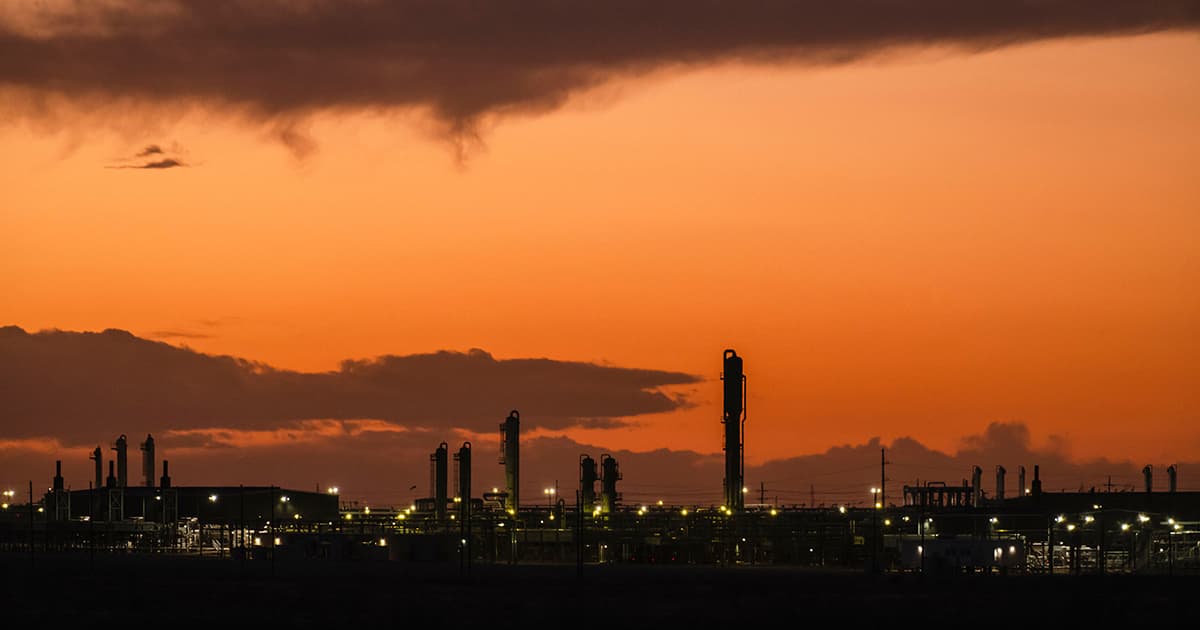
Kharg Island's western terminal officially reopened on August 12, marking its first operational activity since July. This reactivation is a key component of the broader structural expansion of the Caspian Corridor, a strategic route for regional trade and energy flows.
The reopening takes place against a backdrop of unresolved geopolitical disputes concerning the Strait of Hormuz. While the U.S. has asserted complete control over the strait via its naval presence, Iran maintains its authority over the waterway and has proposed implementing a toll system for transit. These conflicting claims highlight the ongoing tensions and lack of a definitive framework for managing this critical maritime chokepoint.
For freight forwarders and logistics professionals, the reactivation of Kharg Island's terminal could signal increased capacity and potentially new routing options within the Caspian region. However, the unresolved issues surrounding the Strait of Hormuz introduce significant uncertainty and potential risks. Forwarders should closely monitor developments regarding transit fees and security in the Strait, as these factors could impact vessel scheduling, insurance premiums, and overall transit costs for cargo moving through or near the region. The expansion of the Caspian Corridor, while offering new opportunities, must be weighed against the persistent geopolitical volatility in the wider Middle East.