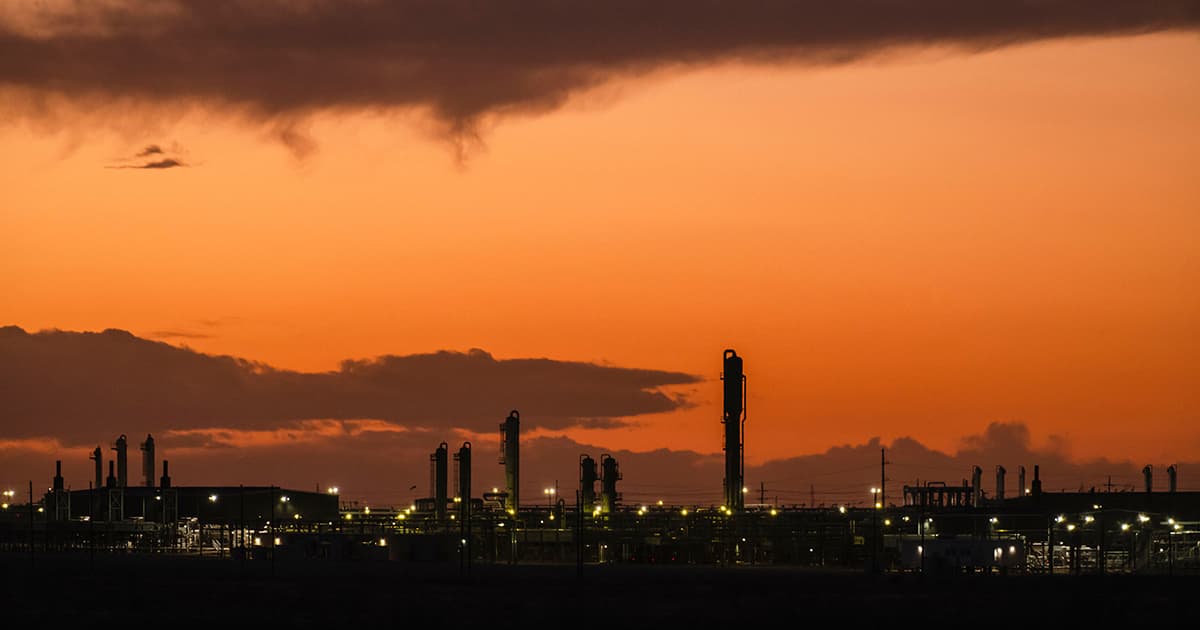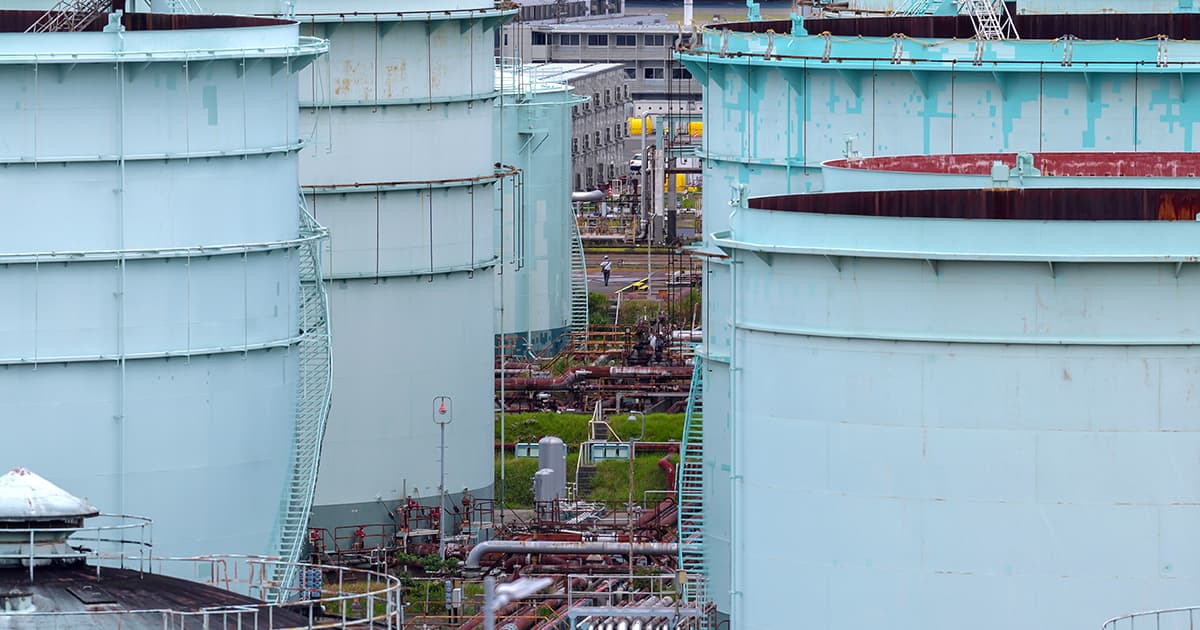
The International Energy Agency (IEA) has issued a warning regarding a projected global oil supply deficit of 1.8 million barrels per day for the current quarter. This significant shortfall is primarily a consequence of escalating hostilities and ongoing maritime disruptions within the Middle East region. These factors are severely impeding efforts to restore and increase oil production, contributing to a tightening of global supply.
For freight forwarders and logistics professionals, this development signals potential upward pressure on bunker fuel prices. A constrained oil supply directly impacts the cost of marine fuels, which are a major operational expense for ocean carriers. Higher bunker costs are typically passed on to shippers through surcharges, affecting overall freight rates. Forwarders should anticipate potential rate adjustments and factor in increased operational costs for sea-based shipments. Furthermore, any prolonged instability in key oil-producing regions could lead to broader supply chain volatility, necessitating contingency planning for routing and capacity management.