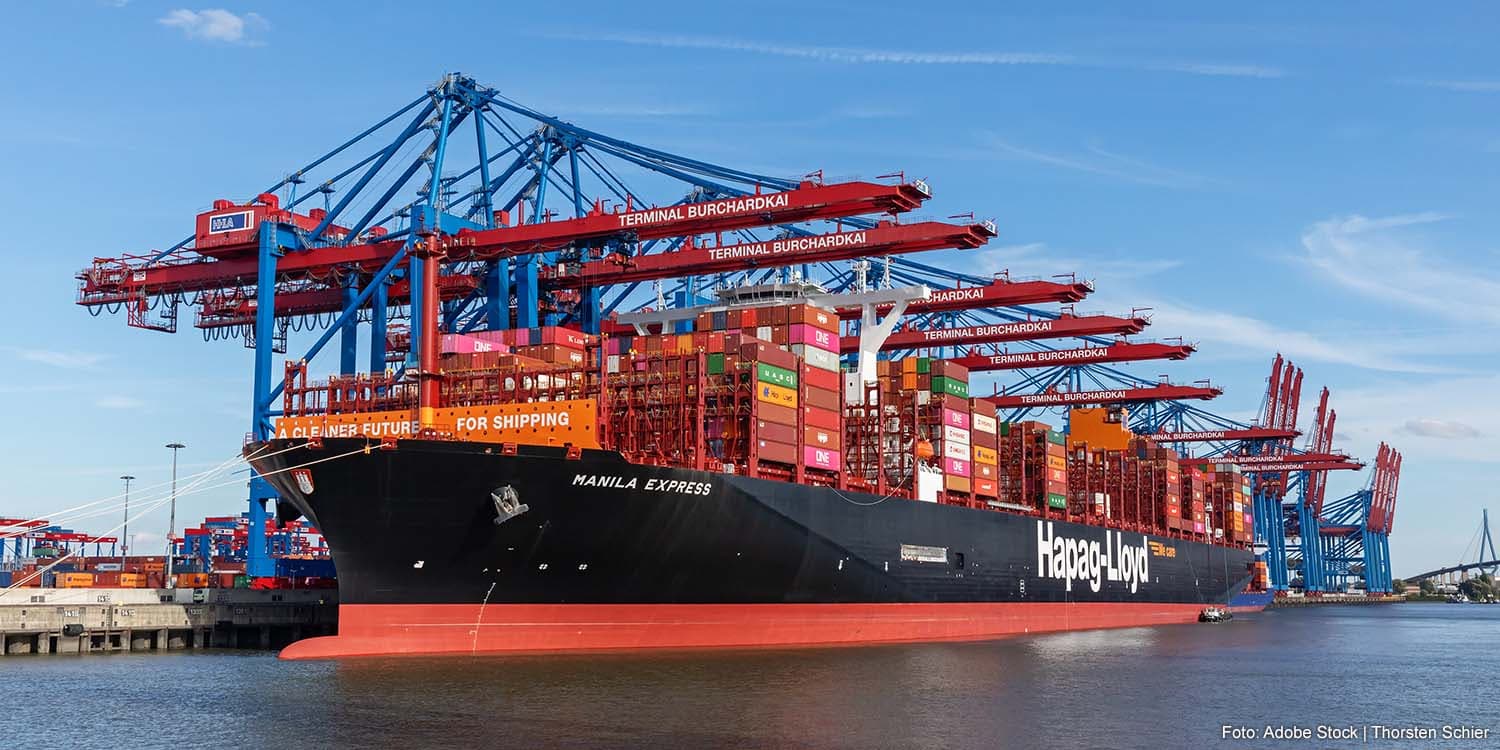
Hapag-Lloyd, a major container shipping line, reported improved financial results for the second quarter of 2026, driven by a significant increase in transported volumes and a rise in freight rates. This positive trend in market conditions contributed to stronger earnings for the company.
Despite the favorable market, the geopolitical situation in the Middle East presented substantial challenges. The blockade of the Strait of Hormuz led to an estimated $600 million in additional expenses for Hapag-Lloyd during Q2 2026. These costs likely stem from longer transit times, increased fuel consumption due to re-routing, higher insurance premiums, and potential operational inefficiencies.
For freight forwarders and shippers, this indicates continued volatility and cost pressures on key East-West trade lanes, particularly those transiting the Middle East. While rate increases reflect stronger demand, the substantial operational costs absorbed by carriers due to geopolitical disruptions suggest that these surcharges or higher base rates may persist. Forwarders should anticipate potential schedule disruptions and factor in elevated costs for shipments passing through or near the Strait of Hormuz, emphasizing the need for robust contingency planning and clear communication with clients regarding transit times and pricing.