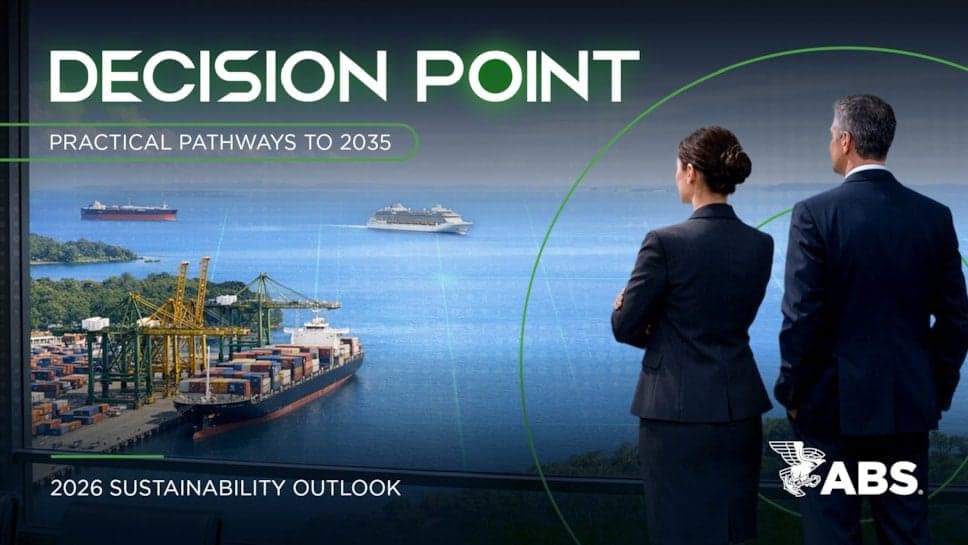
The American Bureau of Shipping (ABS) has released its 2026 outlook, which serves as a strategic roadmap for shipowners grappling with the complexities of decarbonizing the maritime industry. The report underscores the critical importance of proactive measures, adaptable strategies, and effective implementation to successfully navigate the period leading up to 2035. Key challenges identified include a fragmented regulatory environment, increasing costs associated with carbon emissions, and the diverse array of alternative fuel pathways emerging in the sector.
This report is particularly relevant for freight forwarders and operations managers as it signals the continued pressure on carriers to adopt greener practices. This could translate into higher shipping costs due to investments in new fuels and technologies, as well as potential surcharges related to carbon pricing. Forwarders should anticipate a more complex operational environment, requiring greater flexibility in vessel selection and routing as carriers experiment with different fuel types and comply with varying regional regulations. Understanding these trends will be vital for managing client expectations and optimizing supply chain costs.
The outlook suggests that success will hinge on organizations' ability to make timely decisions regarding fleet modernization, fuel choices, and operational adjustments. It implies that a 'wait and see' approach may lead to significant disadvantages as the industry progresses towards stricter environmental targets. The report aims to equip stakeholders with insights to maintain operational efficiency and commercial viability while meeting sustainability goals.