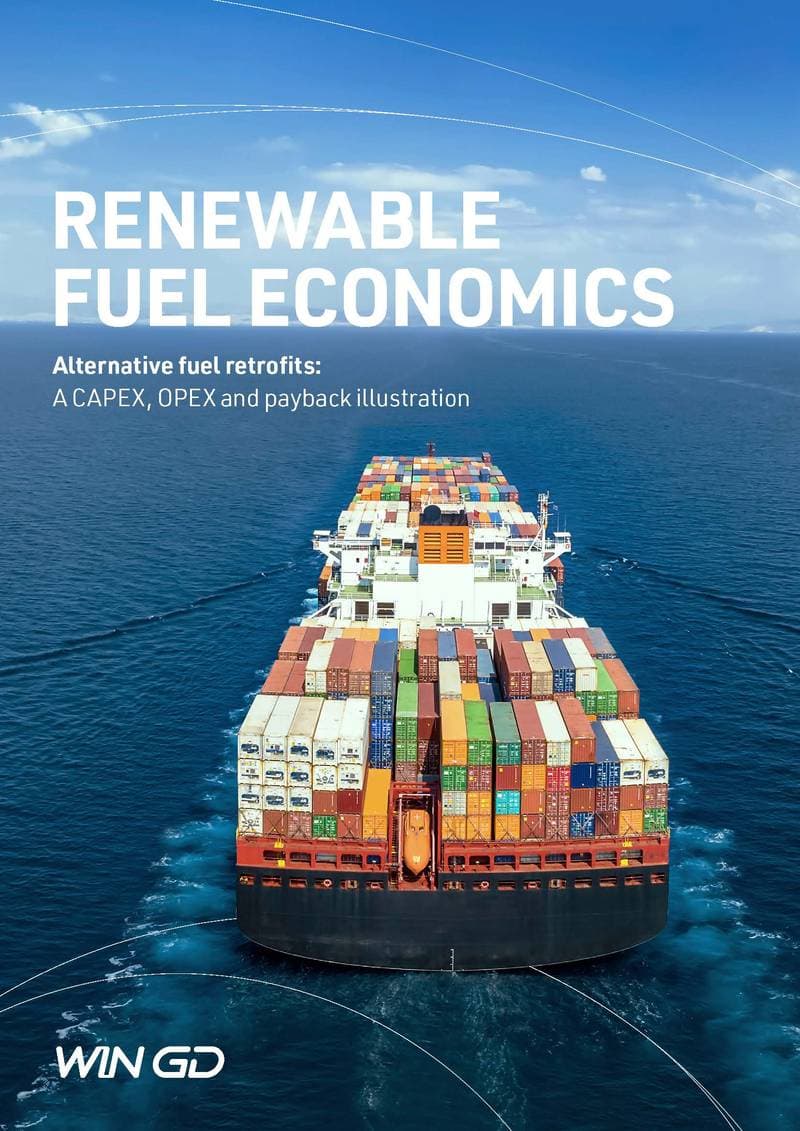
WinGD's recent Fuel Economics Report reveals that retrofitting vessels for alternative fuels presents a viable and cost-effective strategy for ship operators to achieve net-zero emissions. However, the report emphasizes that current policy frameworks are insufficient to fully support this transition. Additional policy interventions are necessary to enhance the economic viability for operators and ensure the maritime sector can successfully meet its ambitious decarbonization targets.
For freight forwarders and operations managers, this report underscores the ongoing uncertainty in the long-term cost and availability of alternative fuels. While the technology for vessel conversion exists, the lack of robust policy incentives means that widespread adoption could be slower than anticipated. This could lead to continued reliance on conventional fuels, impacting future carbon pricing, fuel surcharges, and the overall sustainability of supply chains. Forwarders should monitor policy developments closely, as stronger regulations could accelerate the shift, potentially influencing vessel choices, routing, and ultimately, freight rates as carriers invest in cleaner fleets.