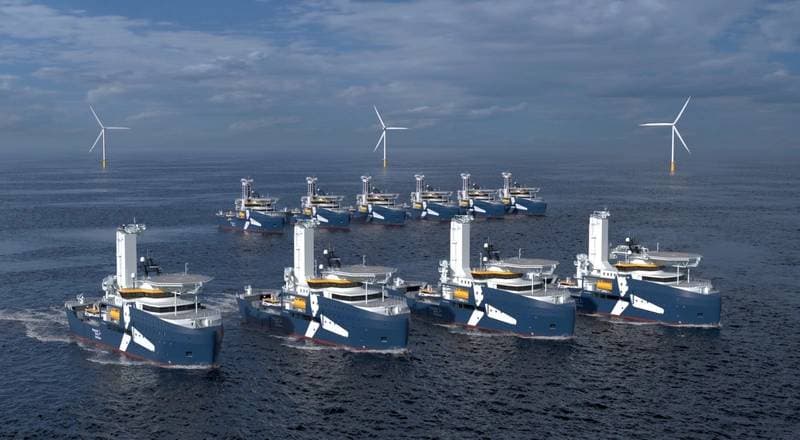
The maritime industry is expanding its focus on battery technology beyond solely electric vessels, recognizing its growing importance for a wider range of ship applications. While initial discussions around decarbonization centered on alternative fuels like LNG, methanol, ammonia, and hydrogen, batteries are now seen as a crucial component for hybrid systems. These systems are being implemented in diverse vessel types, not just limited-purpose craft such as water taxis.
This evolution is primarily driven by the need to meet stringent environmental regulations and achieve operational efficiencies. Batteries offer significant advantages, including peak shaving to reduce fuel consumption during high-demand periods, providing auxiliary power, and improving overall vessel performance. This broader adoption reflects a strategic shift towards more flexible and integrated energy solutions.
For freight forwarders and operations managers, this trend indicates a move towards a more sustainable and potentially more reliable shipping fleet. Vessels equipped with hybrid battery systems may offer reduced emissions, contributing to greener supply chains. While not directly impacting immediate freight rates or capacity, the long-term implications include a more resilient fleet less susceptible to fuel price volatility and potentially lower operational costs for carriers, which could indirectly influence future pricing structures. The increasing efficiency could also lead to improved schedule reliability as vessels optimize power usage.