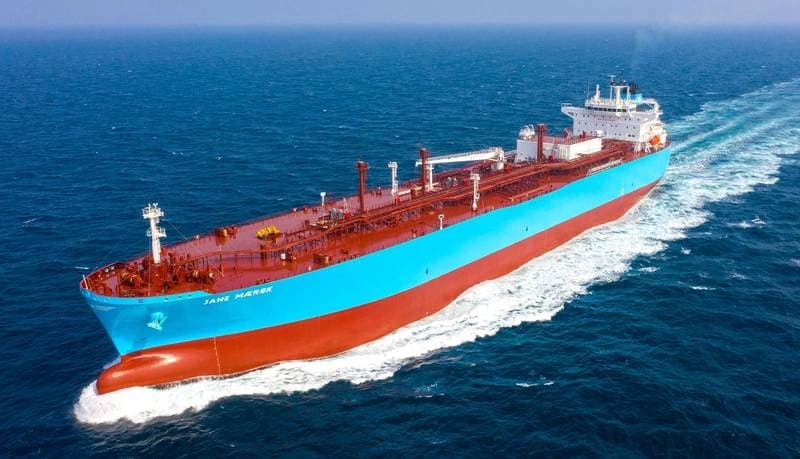
Maersk has officially received its initial Very Large Ammonia Carrier (VLAC), named Jane Maersk, from the shipbuilder HD Hyundai Samho. This vessel, with a capacity of 93,000 cubic meters, is designed to carry both liquefied ammonia and LPG. It represents the first of five such vessels ordered by Maersk in November 2023, signaling a strategic move towards integrating alternative, lower-emission fuels into its fleet.
This delivery is part of Maersk's broader commitment to decarbonizing its operations and exploring various sustainable fuel options for its vessels. The ability to transport ammonia is crucial as the shipping industry increasingly considers it a viable future fuel, alongside methanol, to reduce greenhouse gas emissions.
For freight forwarders and supply chain managers, the introduction of such vessels indicates a gradual shift in the available shipping capacity towards more environmentally friendly options. While this specific vessel is for ammonia transport, it reflects a wider trend where carriers are investing in newbuilds capable of running on alternative fuels. This could eventually influence bunker surcharges, vessel routing, and the overall carbon footprint of supply chains, offering more sustainable choices for shippers looking to meet their own ESG targets. It also suggests that the infrastructure for ammonia as a marine fuel, including bunkering facilities, will likely expand in the coming years.