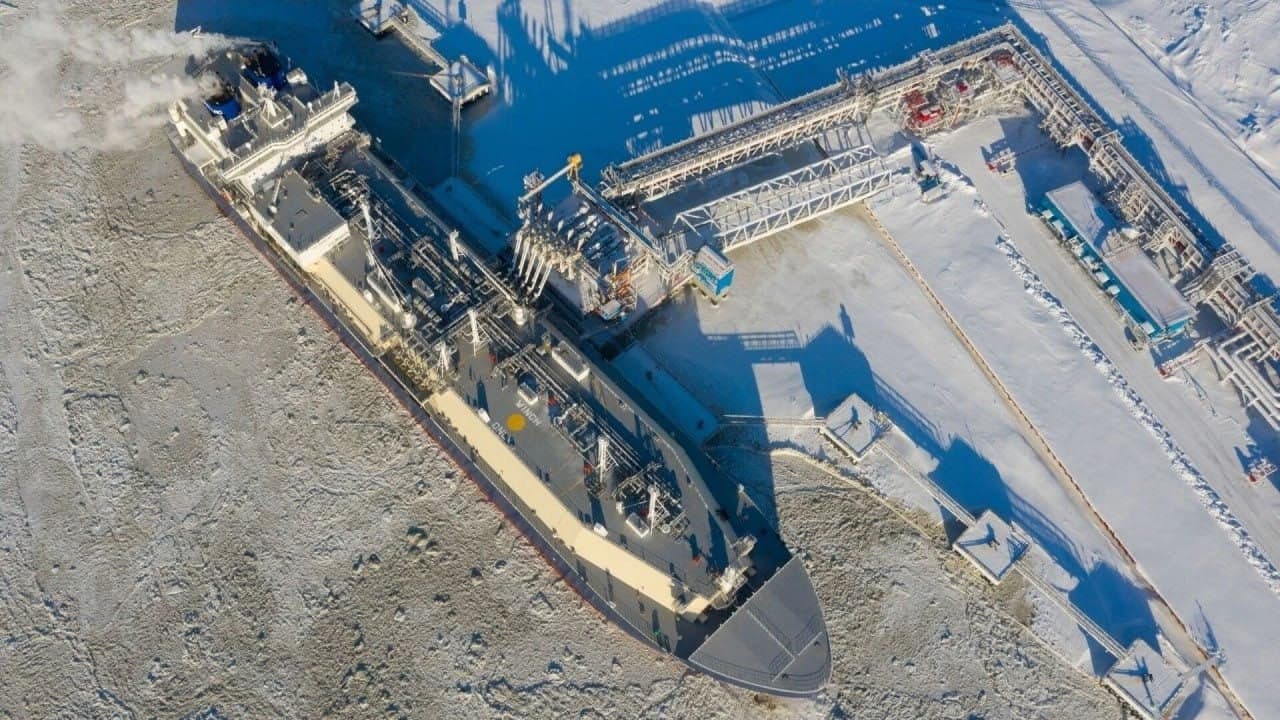
Greece has currently blocked the European Union's 21st package of sanctions targeting Russia. The main point of contention is Greece's demand for specific exemptions for a Greek shipping company. This company operates specialized vessels designed for transporting liquefied natural gas (LNG) through Arctic routes.
The Greek government is concerned that the proposed sanctions, which aim to further restrict Russia's energy exports, could severely impact these specialized LNG carriers. Without exemptions, these vessels might become economically unviable or 'stranded assets,' leading to significant financial losses for the Greek maritime sector.
For freight forwarders and operations managers, this development highlights the ongoing geopolitical risks affecting global shipping. The uncertainty surrounding sanctions packages can lead to sudden changes in trade routes, vessel availability, and operational costs, particularly for specialized cargo like LNG. Forwarders involved in energy logistics or those with clients exposed to Russian energy trade should monitor these negotiations closely, as the outcome could influence vessel deployment and the viability of certain shipping lanes.