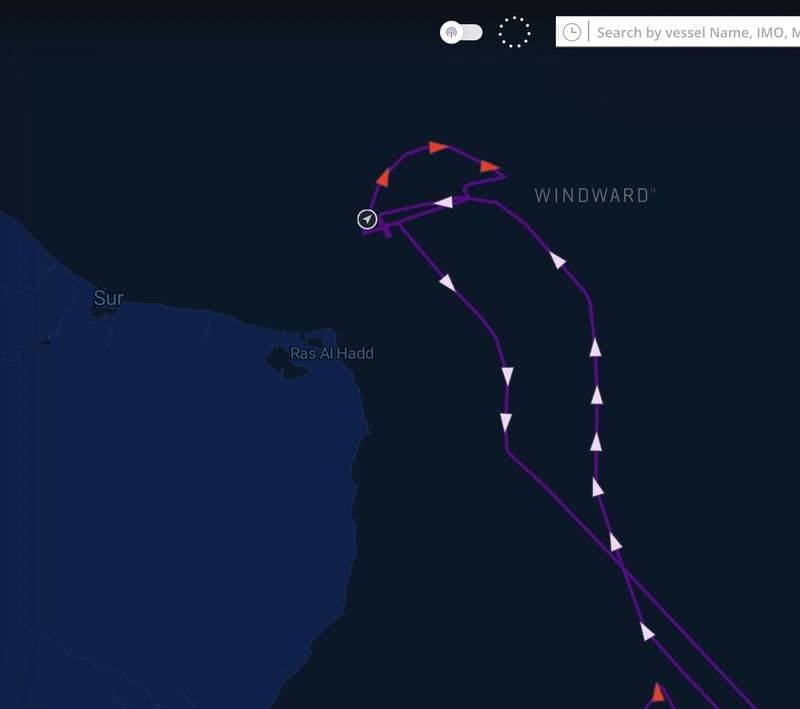
The United States has reportedly carried out a fifth day of strikes against Iran, with one incident involving a sanctioned oil tanker near Iran's key export facility. This series of actions underscores a significant escalation in ongoing tensions between the two countries.
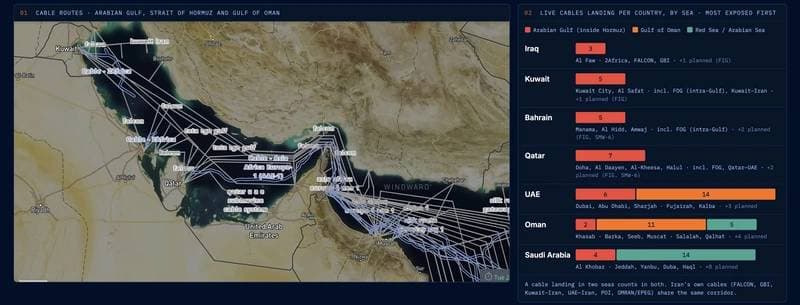
For freight forwarders and operations managers, this situation in the Strait of Hormuz is critical. Increased military activity and the targeting of vessels, even if sanctioned, raise the risk profile for all maritime traffic in the region. This could lead to higher war risk premiums for cargo insurance, potential re-routing of vessels to avoid the area, and increased transit times. Shippers should anticipate potential delays and elevated costs for cargo moving through or near the Strait of Hormuz, a vital chokepoint for global oil and gas shipments.
The ongoing skirmishes suggest that the volatile security environment in this crucial waterway is unlikely to de-escalate soon. Stakeholders in the supply chain should monitor developments closely and prepare for sustained disruptions and heightened operational risks.