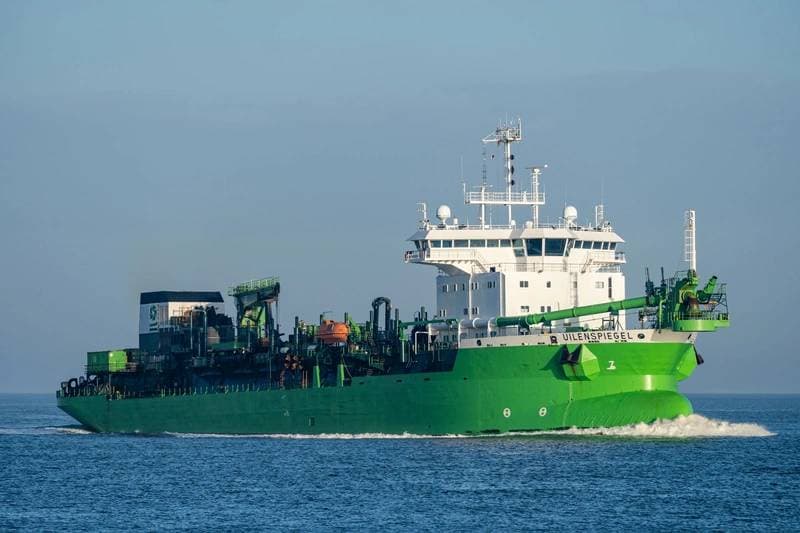
Modern dredging vessels, such as cutter suction dredgers and trailing suction hopper dredgers, are among the most mechanically intensive ships currently in service. These vessels operate under conditions that impose significant stress on their propulsion and operational systems, primarily due to the need to manage extreme torque fluctuations during dredging activities.
The engineering focus for these ships is on developing and integrating highly reliable drivetrain systems. These systems must be capable of delivering consistent power while enduring the harsh, dynamic loads inherent to dredging operations. The design considerations include not only the primary propulsion but also the power delivery to the dredging equipment itself, which often involves heavy-duty pumps and cutters.
For freight forwarders and logistics professionals, while directly not impacting day-to-day cargo movements, the efficiency and reliability of dredging operations are crucial for maintaining and expanding port infrastructure and shipping lanes. Effective dredging ensures deeper channels and berths, allowing larger vessels to access ports, which can indirectly influence vessel scheduling, capacity, and port turnaround times. Any improvements in dredging technology contribute to the overall fluidity and capacity of global maritime trade routes.
Future developments in this sector are expected to continue emphasizing durability, fuel efficiency, and reduced environmental impact, aligning with broader maritime industry trends.