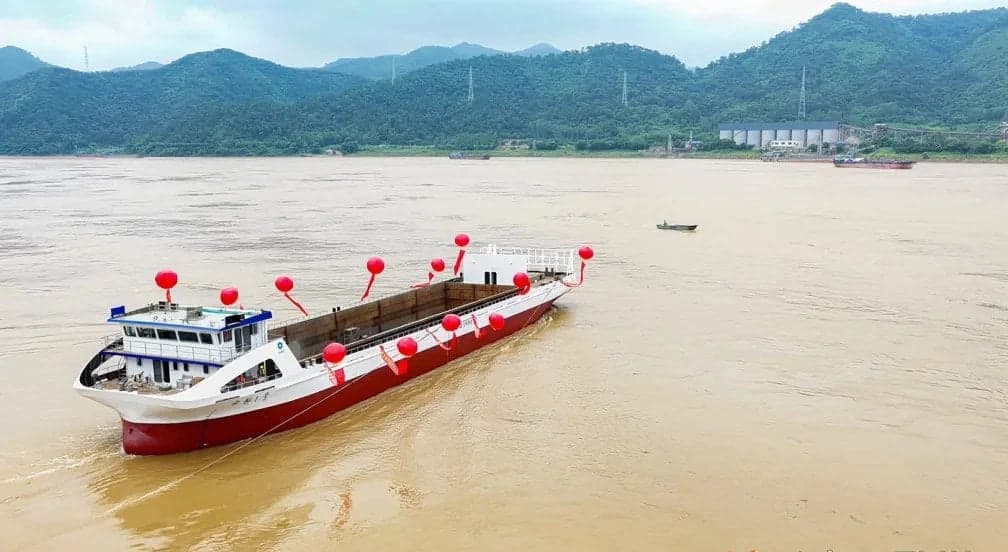
China has introduced its largest inland cargo vessel that utilizes hydrogen as its primary fuel source. This launch represents a notable advancement in the nation's strategy to reduce carbon emissions within its extensive network of inland waterways. The vessel's deployment underscores a broader global movement towards adopting cleaner energy solutions in the maritime sector.
For freight forwarders and operations managers, the emergence of hydrogen-powered vessels, even in inland contexts, signals a future shift in fuel requirements and potential routing considerations. While this specific vessel operates domestically in China, it contributes to the overall momentum for alternative fuels. This trend could eventually influence bunker availability, vessel specifications, and compliance with future environmental regulations for international shipping, potentially impacting supply chain planning and costs.