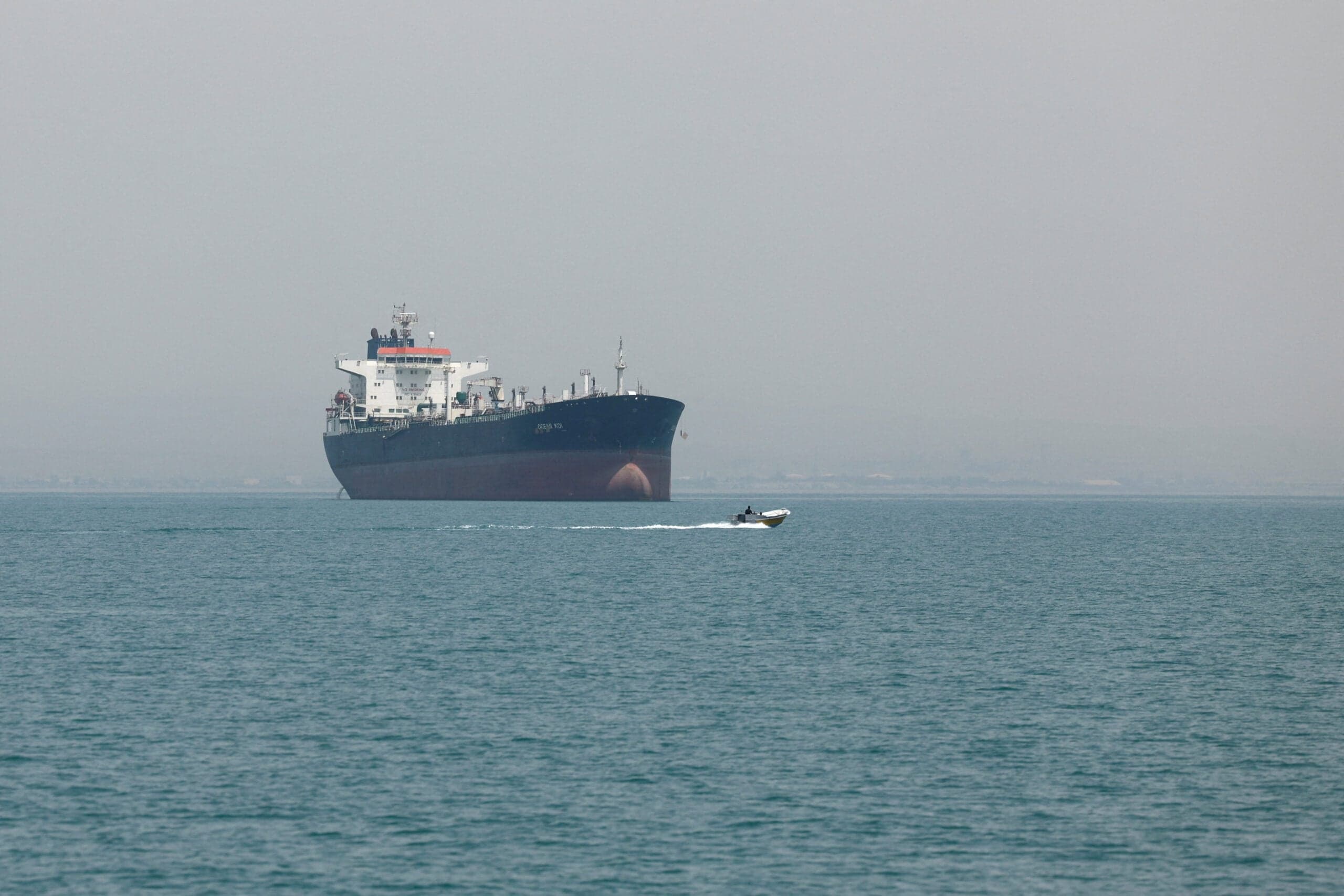
The U.S. Central Command (CENTCOM) recently issued a statement reaffirming the continued openness of the Strait of Hormuz for international commercial shipping. This declaration directly addresses and refutes claims made by an organization reportedly linked to Iran, which had asserted authority over the strategic maritime passage and declared it closed.
For freight forwarders and operations managers, this confirmation from CENTCOM is crucial. The Strait of Hormuz is a choke point for a significant portion of global oil and gas shipments, as well as general cargo. Any perceived closure or restriction could lead to immediate and severe disruptions in shipping schedules, increased transit times, and potentially higher war risk insurance premiums. The U.S. military's stance provides a degree of stability and reassurance, indicating that major trade routes through the strait are expected to remain operational. However, the underlying tensions and conflicting claims highlight the persistent geopolitical risks in the region, which forwarders must continue to monitor for potential impacts on routing and capacity.
While the immediate impact is a reassurance of continued passage, the ongoing geopolitical friction in the region suggests that vigilance remains necessary. Forwarders should stay informed on any further developments that could affect vessel movements or insurance costs in this critical area.