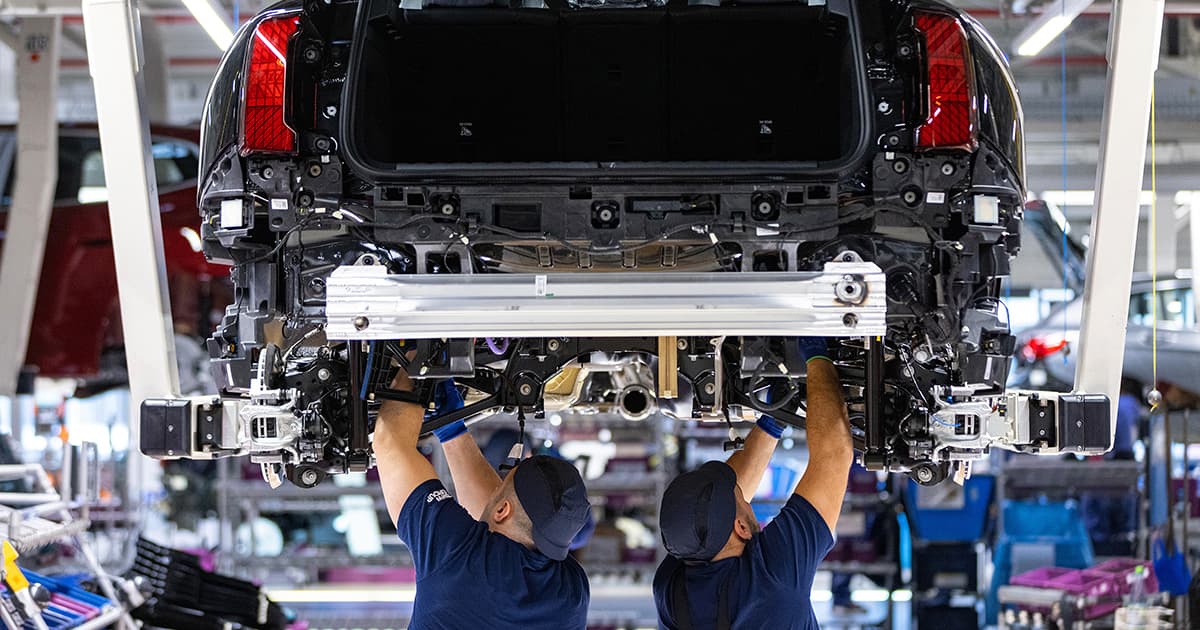
BMW is implementing a significant workforce reduction, offering severance packages to 8,000 employees. This strategic decision is driven by a confluence of challenging economic factors impacting the automotive industry. Key pressures include a notable downturn in sales within the Chinese market, the imposition of tariffs by the United States, and persistently high production costs across Europe.
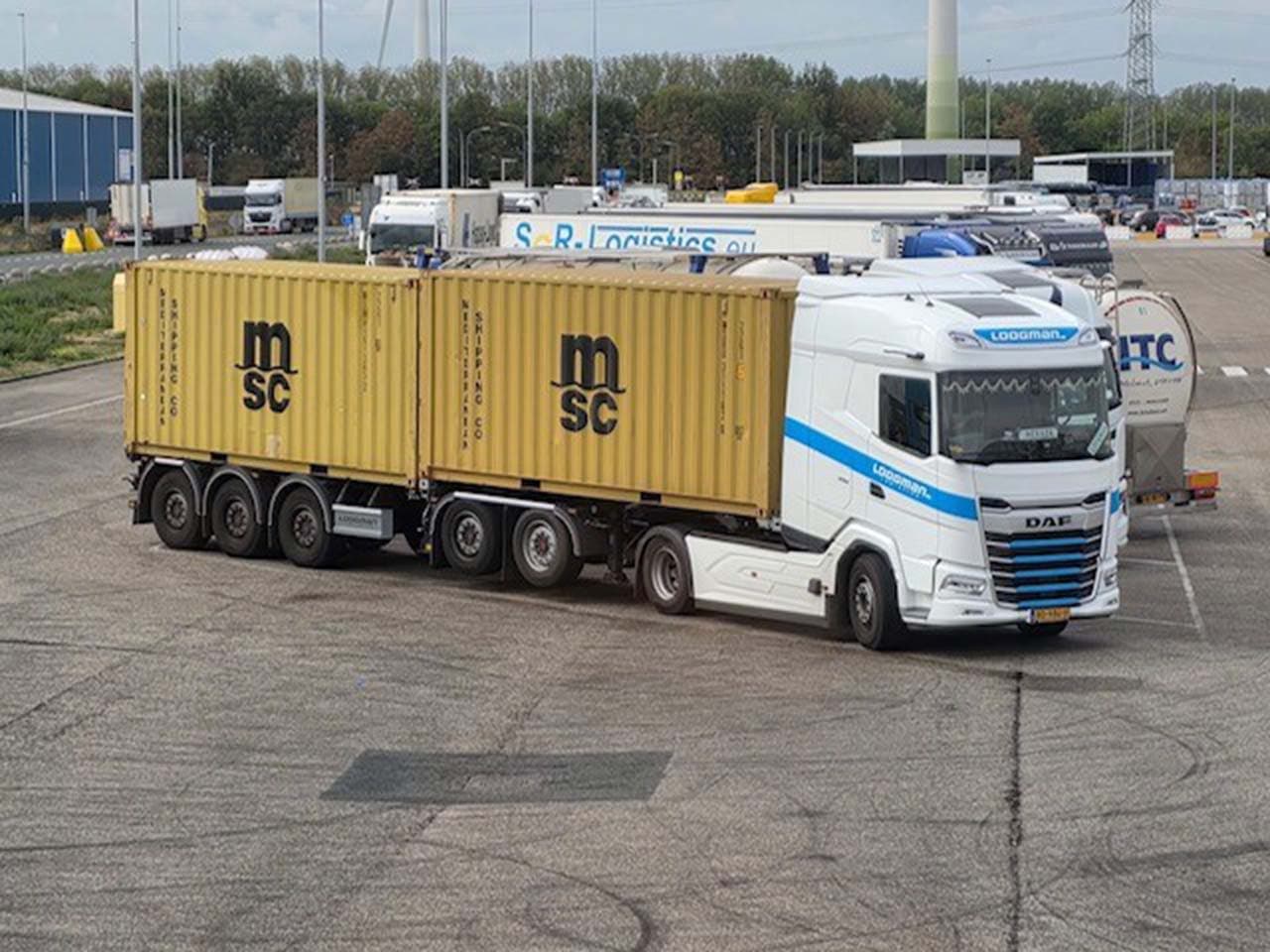
For freight forwarders and logistics professionals, this development signals potential shifts in automotive supply chains. Reduced production volumes from a major manufacturer like BMW could lead to decreased demand for inbound raw materials and outbound finished vehicles. Forwarders specializing in the automotive sector might experience a reduction in FCL/LCL volumes, especially for components and parts moving into European factories and finished cars being exported to markets like China and the US. This could also impact demand for specialized Ro-Ro vessel capacity and trucking services for inland distribution. Monitoring similar actions from other German automotive manufacturers will be crucial, as broader industry-wide cuts could further impact freight volumes and potentially lead to more competitive rates as capacity exceeds demand.