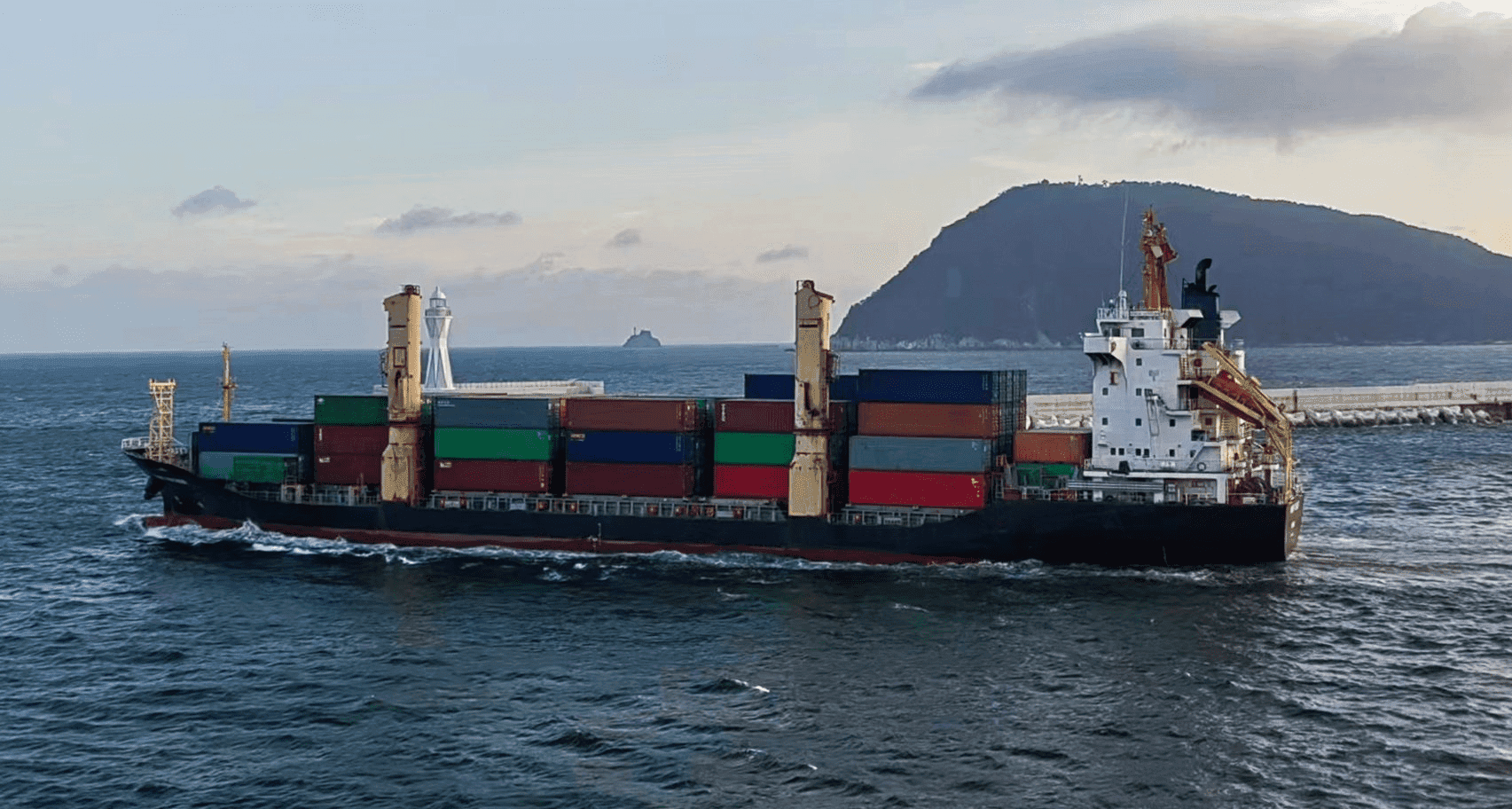
South Korean exporters are expressing significant interest in the country's first-ever container shipping journey through the Northern Sea Route (NSR) to European destinations. This pioneering voyage represents a strategic move to diversify trade lanes and potentially shorten transit times between Asia and Europe.
For freight forwarders and operations managers, the successful establishment of an Arctic route could introduce a new option for Asia-Europe cargo, potentially offering faster transit compared to the Suez Canal, especially if current geopolitical disruptions persist. While ice-strengthened vessels and icebreaker escorts would be required, this route could provide a competitive advantage in terms of delivery speed and schedule reliability. However, operational challenges such as seasonal navigability, insurance costs, and the need for specialized vessels will need to be carefully assessed.
Should this initial voyage prove successful and commercially viable, it could pave the way for more regular services, influencing future routing decisions and potentially impacting freight rates on the Asia-Europe trade lane by increasing capacity and offering a faster, albeit more specialized, alternative.