The United States government is reportedly exploring the implementation of new tariffs targeting countries that are deemed to be insufficient in addressing and eradicating forced labor within their supply chains. This potential policy shift underscores a growing international focus on ethical sourcing and human rights in global commerce.
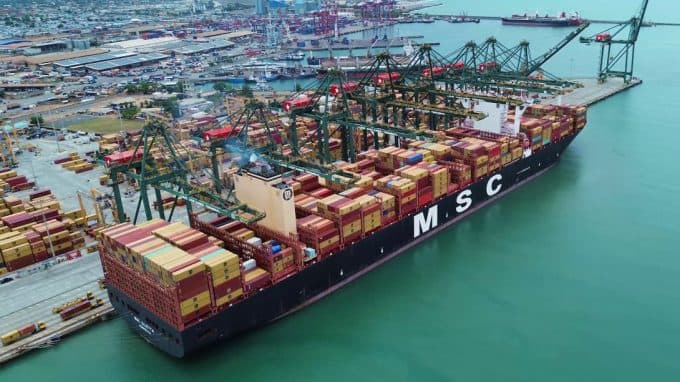
For freight forwarders and shippers, such tariffs would introduce new complexities and risks. Companies would need to enhance their supply chain visibility and conduct more rigorous due diligence to ensure compliance with US import regulations. The imposition of tariffs could lead to increased costs for goods originating from affected countries, potentially altering sourcing strategies and trade lanes. Operational managers would face challenges in verifying the labor practices of their partners and suppliers, requiring robust compliance frameworks and potentially new auditing processes to mitigate exposure to these tariffs and avoid disruptions in their logistics operations.