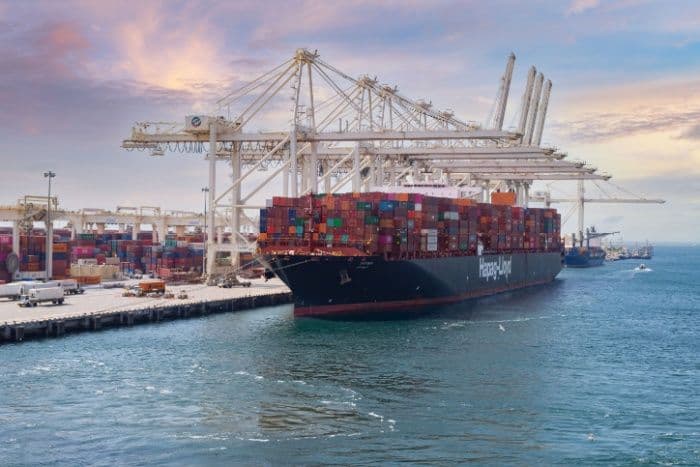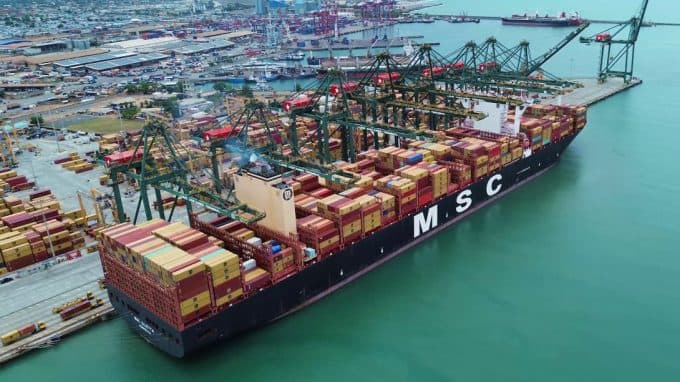
More than half of the new containership capacity introduced into the global market over the past 12 months has been allocated to just two primary trade routes: Asia-Europe and various routes connected to Africa. This significant deployment highlights a strategic focus by ocean carriers on these specific corridors, absorbing a substantial portion of the recently expanded fleet.
This concentration of new capacity on Asia-Europe and Africa-related trades suggests a deliberate effort by shipping lines to optimize their networks and capitalize on demand in these regions. In contrast, capacity deployed on US-related trade lanes has remained relatively stagnant during the same period. This indicates a potential rebalancing of global shipping resources, moving away from a previous emphasis on the Transpacific and Transatlantic routes.
For freight forwarders and operations managers, this trend implies increased capacity and potentially more competitive rates on the Asia-Europe and Africa routes. Shippers utilizing these lanes may experience greater flexibility and improved service options. Conversely, the stable capacity on US trades could lead to less rate volatility but also fewer new service offerings. Forwarders should monitor these capacity shifts closely to advise clients on optimal routing and to negotiate favorable terms, particularly for shipments to and from Asia and Africa.