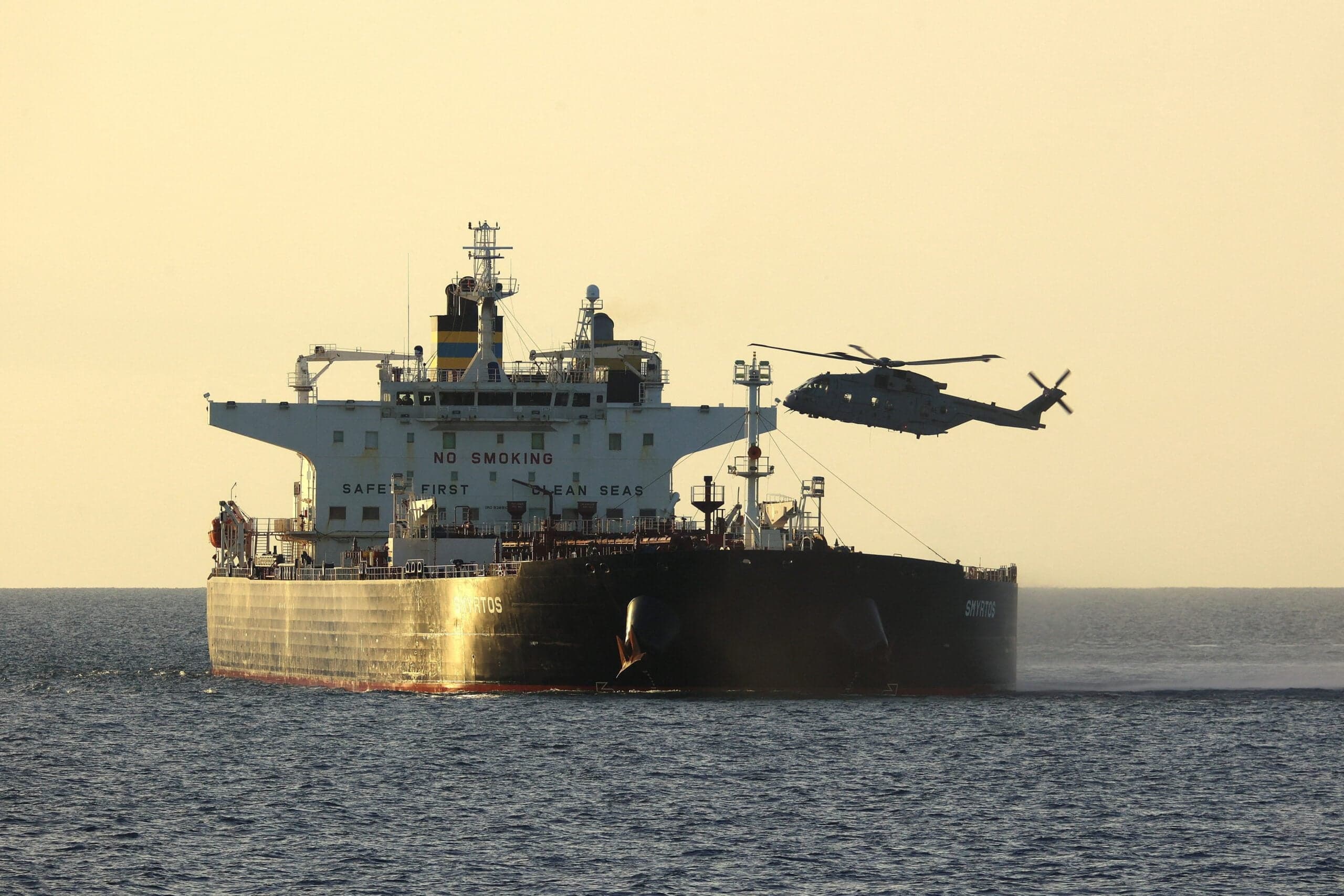
The United Kingdom has carried out its inaugural direct interdiction operation against a sanctioned Russian 'shadow fleet' oil tanker. This action involved UK authorities boarding the vessel to enforce existing sanctions, representing a significant escalation in the international community's efforts to disrupt Russia's illicit oil trade.
This operation highlights a more aggressive stance by Western nations in targeting the network of older vessels that transport Russian oil outside of established price caps and regulatory oversight. The 'shadow fleet' typically operates with opaque ownership structures and often lacks standard insurance, posing environmental and safety risks in addition to facilitating sanctions evasion.
For freight forwarders and shippers, this development signals increased scrutiny on vessels involved in the transport of Russian-origin goods, particularly oil. It could lead to more frequent inspections, potential detentions, and heightened due diligence requirements for any cargo moving on vessels with questionable ownership or operating histories. This may result in longer transit times, higher insurance premiums, and a greater risk of delays or disruptions if a vessel is suspected of sanctions circumvention. Forwarders should advise clients to verify the provenance and compliance of all shipments, especially those involving oil or related products, to avoid potential penalties or cargo seizures.