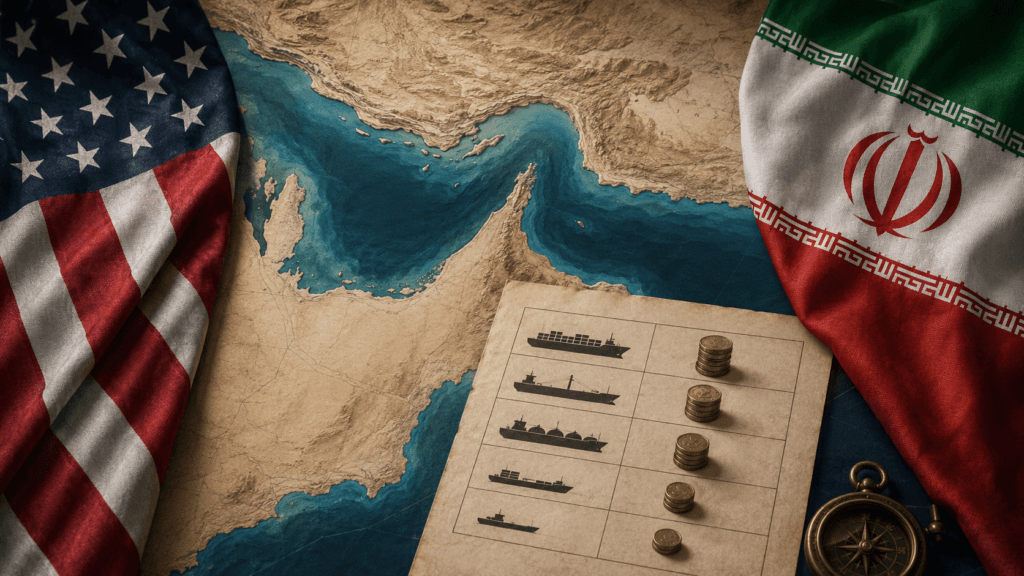
The Strait of Hormuz is now characterized by a dual-authority structure, creating a challenging operational landscape for commercial shipping. This means that vessels transiting this crucial waterway must contend with conflicting directives and potential security risks from multiple actors, rather than a single, recognized governing body. This situation complicates navigation, security protocols, and incident response for all maritime operators.
For freight forwarders and operations managers, this environment translates into increased complexity in route planning, higher insurance premiums, and the need for constant monitoring of geopolitical developments. Shippers may experience delays or re-routing, impacting supply chain predictability and costs. It underscores the importance of robust risk assessment and contingency planning for any cargo moving through the region. Understanding the nuances of this dual authority is critical for maintaining operational continuity and mitigating potential disruptions.
Moving forward, the shipping industry will need to adapt its strategies to this evolving reality, potentially through increased collaboration with naval forces, enhanced intelligence sharing, and the development of standardized protocols for engaging with diverse authorities in the strait. The long-term implications could include sustained higher operational costs and a re-evaluation of regional trade routes if the security situation deteriorates further.