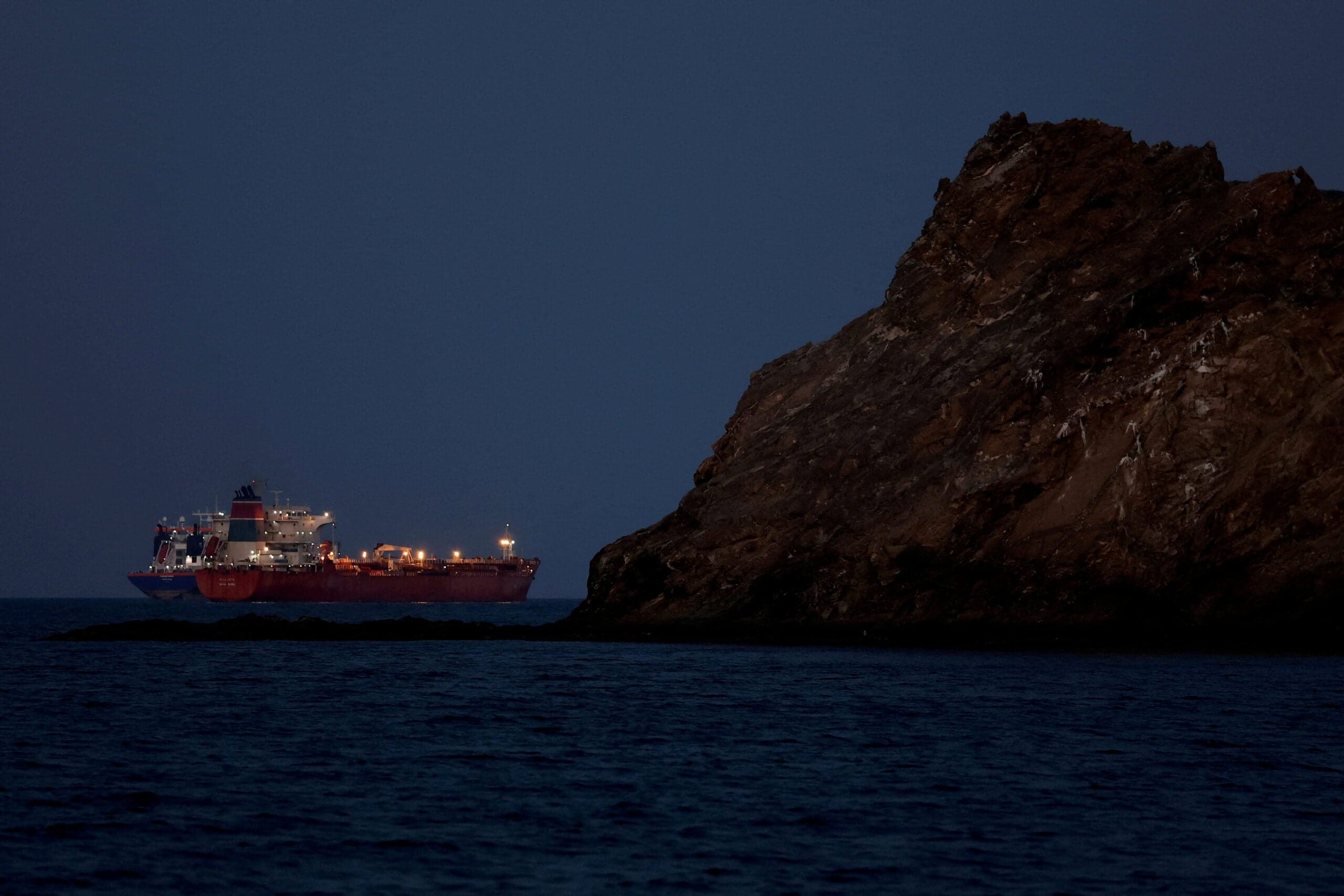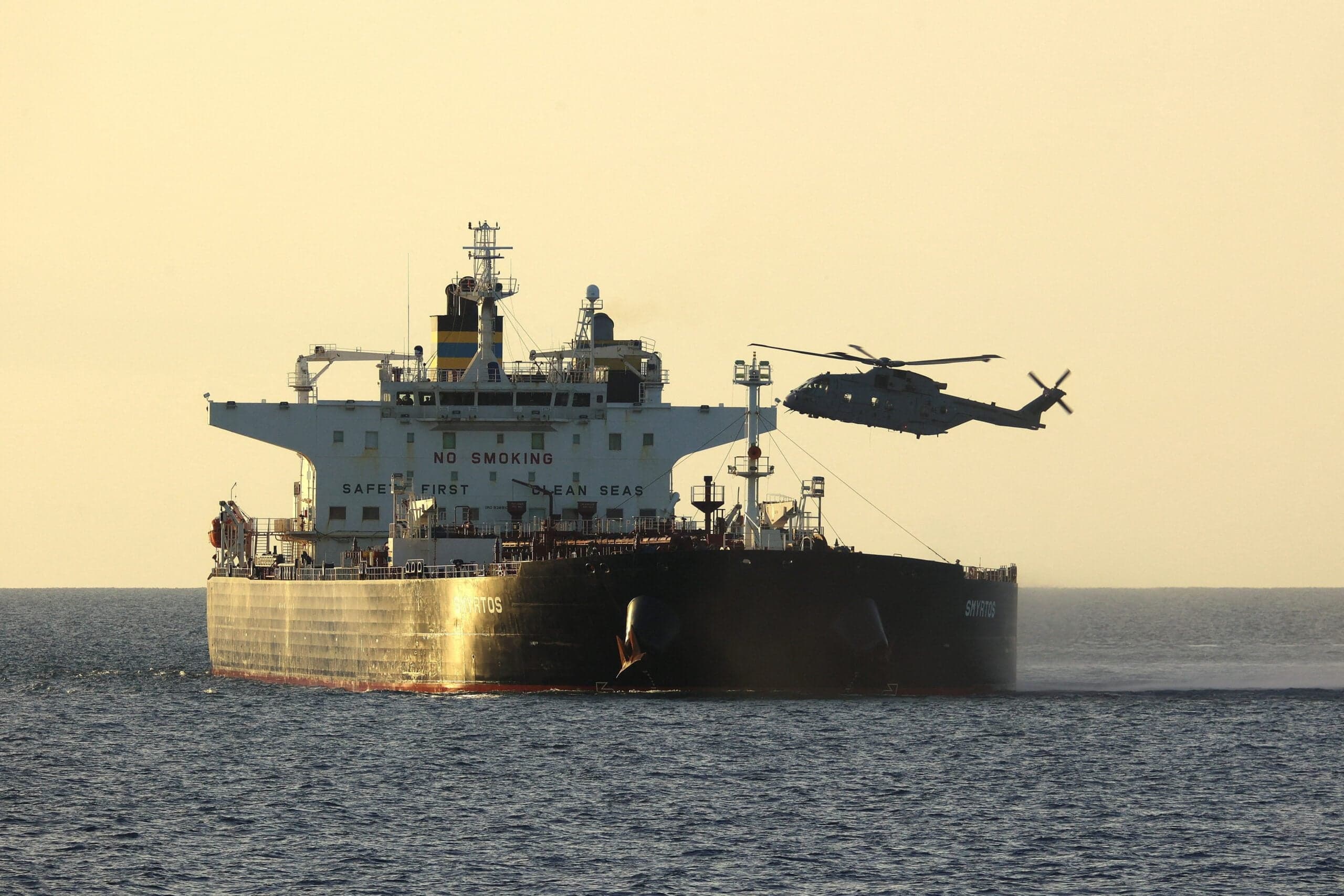
British armed forces recently intercepted a sanctioned Russian 'shadow fleet' oil tanker in the English Channel. This operation represents the first instance where the United Kingdom has taken the lead in disrupting illicit oil shipments linked to Russia, underscoring a growing international effort to enforce sanctions.
This interception highlights the ongoing challenges posed by the 'shadow fleet' – a network of older vessels operating outside traditional regulatory oversight, often with opaque ownership and insurance. These ships are frequently used to transport sanctioned oil, enabling Russia to continue its energy exports despite international restrictions.
For freight forwarders and supply chain professionals, this incident signals heightened scrutiny and enforcement in European waters, particularly concerning vessels with potential links to sanctioned entities. While direct impact on container shipping is limited, it reinforces the need for rigorous due diligence on all vessel charters and cargo origins to avoid inadvertently engaging with sanctioned trade. Increased enforcement could lead to longer transit times or diversions for vessels suspected of illicit activities, and potentially higher insurance premiums for certain routes or vessel types.
Moving forward, similar operations by other nations could become more frequent as countries seek to tighten the net on sanction evasion, potentially affecting the availability and cost of certain shipping services.