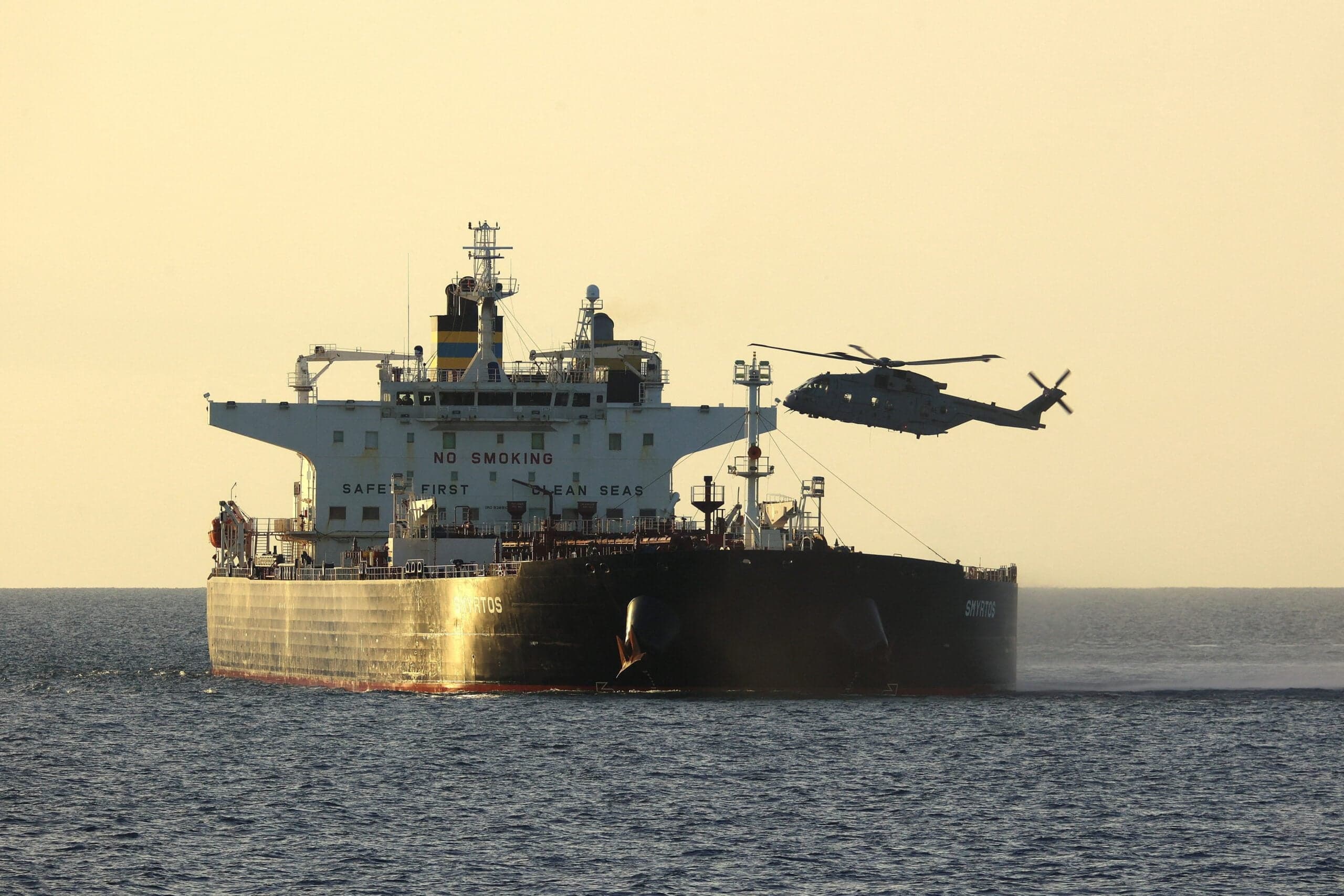
British authorities recently intercepted a Russian-linked oil tanker, identified as the SMYRTOS, while it was attempting to traverse the English Channel. The vessel was boarded by Royal Marine Commandos and specialized officers from the National Crime Agency. This action suggests a concerted effort by the UK to enforce international sanctions and monitor maritime traffic associated with the 'shadow fleet,' which often operates outside conventional regulatory frameworks.
This interception underscores the increasing scrutiny on vessels suspected of circumventing sanctions, particularly those involved in the transport of Russian oil. The 'shadow fleet' typically consists of older vessels, often with opaque ownership structures and less stringent safety and environmental compliance, making their operations a concern for maritime security and environmental protection.
For freight forwarders and shippers, this incident signals heightened vigilance in European waters regarding vessels linked to sanctioned entities. It could lead to increased scrutiny of vessel documentation, ownership, and cargo origins, potentially causing delays or diversions for shipments. Furthermore, the involvement of such vessels in the supply chain may elevate war risk premiums and impact the insurability of cargo, requiring forwarders to conduct thorough due diligence on carriers and their fleet operations to mitigate potential disruptions and compliance risks. The incident also highlights the ongoing geopolitical tensions affecting global shipping routes.
The UK Ministry of Defence has indicated that further investigations into the tanker and its activities are underway, which could lead to additional enforcement actions or policy adjustments concerning shadow fleet operations.