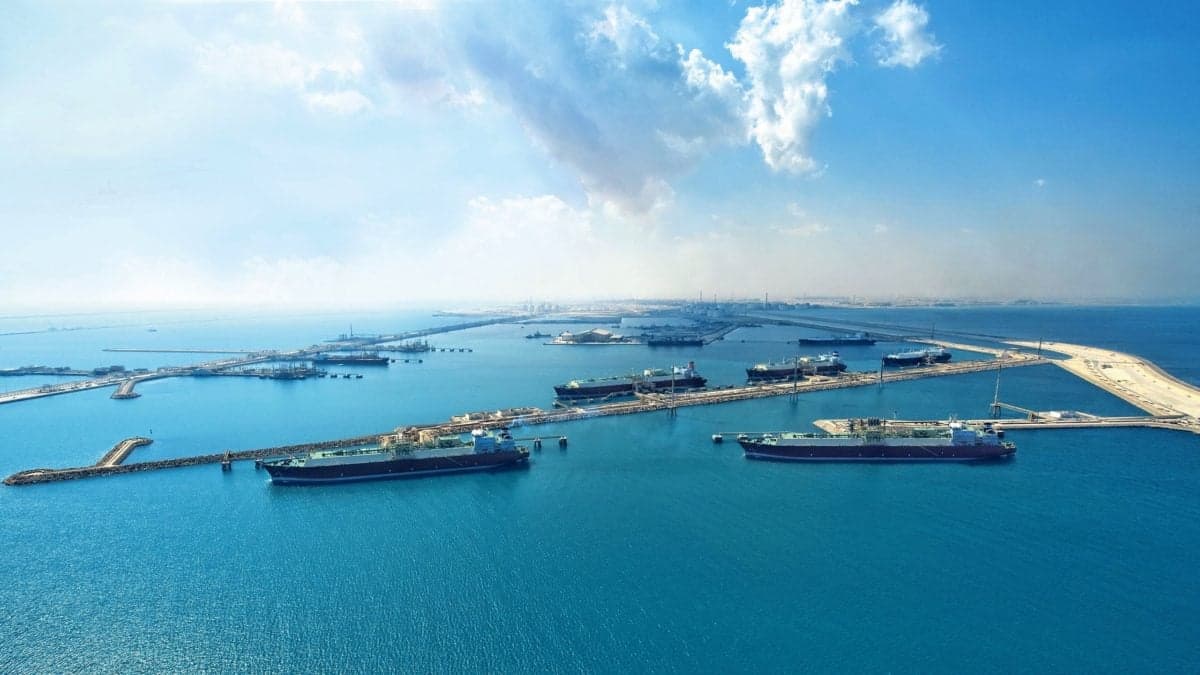
The United Arab Emirates saw its oil exports recover significantly in early June, reaching approximately 85% of the volumes recorded before the conflict with Iran. This rebound was observed by the International Energy Agency (IEA) and occurred even prior to any formal interim peace deal being finalized between Washington and Tehran.
The UAE achieved this recovery by strategically utilizing its existing pipeline infrastructure, drawing on substantial storage capacities, and implementing alternative maritime shipping routes to circumvent potential disruptions. This demonstrates the nation's robust logistical capabilities and its ability to adapt to geopolitical challenges affecting traditional trade arteries.
For freight forwarders and logistics professionals, this development indicates a degree of resilience in oil supply chains from the Middle East, even amidst regional tensions. While direct impact on container or general cargo rates is limited, a stable oil supply can indirectly influence bunker prices and overall energy costs, which are critical components of operational expenses for carriers across all modes. The use of alternative routes also highlights the importance of flexible routing options in volatile regions.
The IEA report suggests that the UAE's proactive measures in managing its oil exports allowed for a swift recovery, underscoring the importance of diversified infrastructure and contingency planning in maintaining trade flows during periods of geopolitical uncertainty.