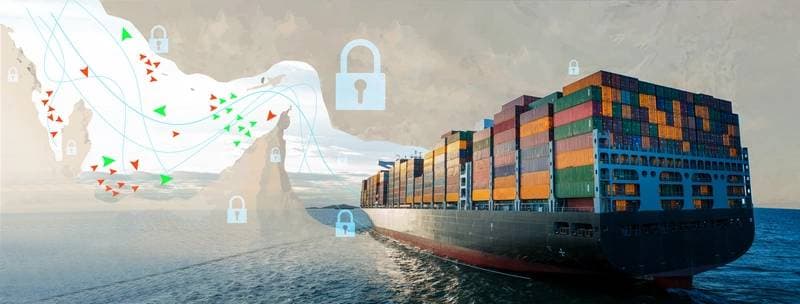
Allianz Commercial's "Safety and Shipping Review 2026" highlights a positive trend in maritime safety, with global shipping losses maintaining near historic lows. This suggests that ongoing efforts by shipowners, operators, and regulators to enhance safety protocols and technologies are yielding results.
Despite this improved safety record, the report emphasizes that the maritime landscape is becoming more intricate and hazardous. Key challenges include escalating geopolitical tensions, which can disrupt trade routes and increase security risks; the growing threat of cyber-attacks targeting operational technology and IT systems; and the complexities associated with the industry's transition to new, less-proven alternative fuels. These factors collectively create a more demanding environment for managing risk.
For freight forwarders and operations managers, this means that while the likelihood of catastrophic vessel losses is diminishing, the operational environment is becoming more volatile. Geopolitical instability could lead to sudden route changes, increased transit times, and higher insurance premiums, particularly war risk surcharges. Cyber threats pose a risk to supply chain visibility and data integrity, potentially impacting scheduling and cargo tracking. The adoption of new fuels, while crucial for decarbonization, may introduce unforeseen operational challenges or regulatory hurdles, requiring forwarders to stay informed about carrier capabilities and compliance. Proactive risk assessment and flexible contingency planning are increasingly vital for maintaining reliable supply chains.