The transport and logistics industry in the Netherlands is currently navigating two significant, interconnected challenges: the rollout of zero-emission zones and a heavily burdened electricity grid. Between 2025 and 2030, 29 municipalities are implementing these zones, with enforcement and penalties already commencing in mid-2025. This initiative mandates the use of zero-emission vehicles, primarily electric trucks, for urban deliveries.
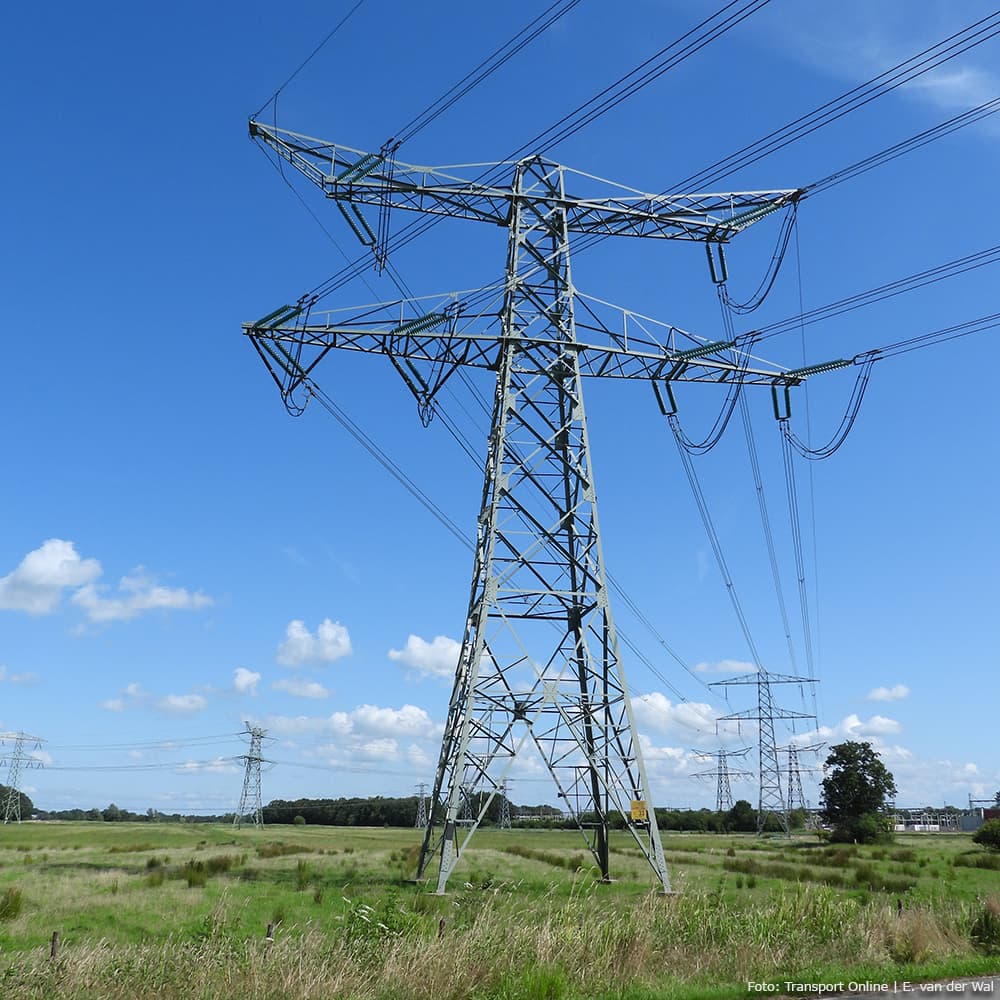
However, the widespread adoption of electric vehicles is hampered by the existing electricity grid's capacity limitations. The grid is already experiencing congestion, making it difficult for logistics companies to secure the necessary power connections and charging infrastructure to support large electric fleets. This creates a dilemma where regulatory pressure for decarbonization clashes with practical energy supply constraints.
For freight forwarders and operations managers, this situation presents considerable operational hurdles. Planning routes and delivery schedules within zero-emission zones will require careful consideration of vehicle range and charging availability. The scarcity of grid capacity could lead to delays in electrifying fleets, potentially resulting in fines for non-compliant vehicles. Furthermore, the cost of installing and operating charging infrastructure, especially with potential grid upgrades, could increase operational expenses. Forwarders may need to explore alternative charging solutions like 'peak shaving' or energy storage to manage demand and avoid grid overloads.
Moving forward, the sector will need to find innovative solutions, such as smart charging systems and energy management strategies, to reconcile the demands of zero-emission zones with the limitations of the electricity grid. Collaboration between logistics companies, energy providers, and municipalities will be crucial to develop sustainable and practical solutions for urban freight transport.