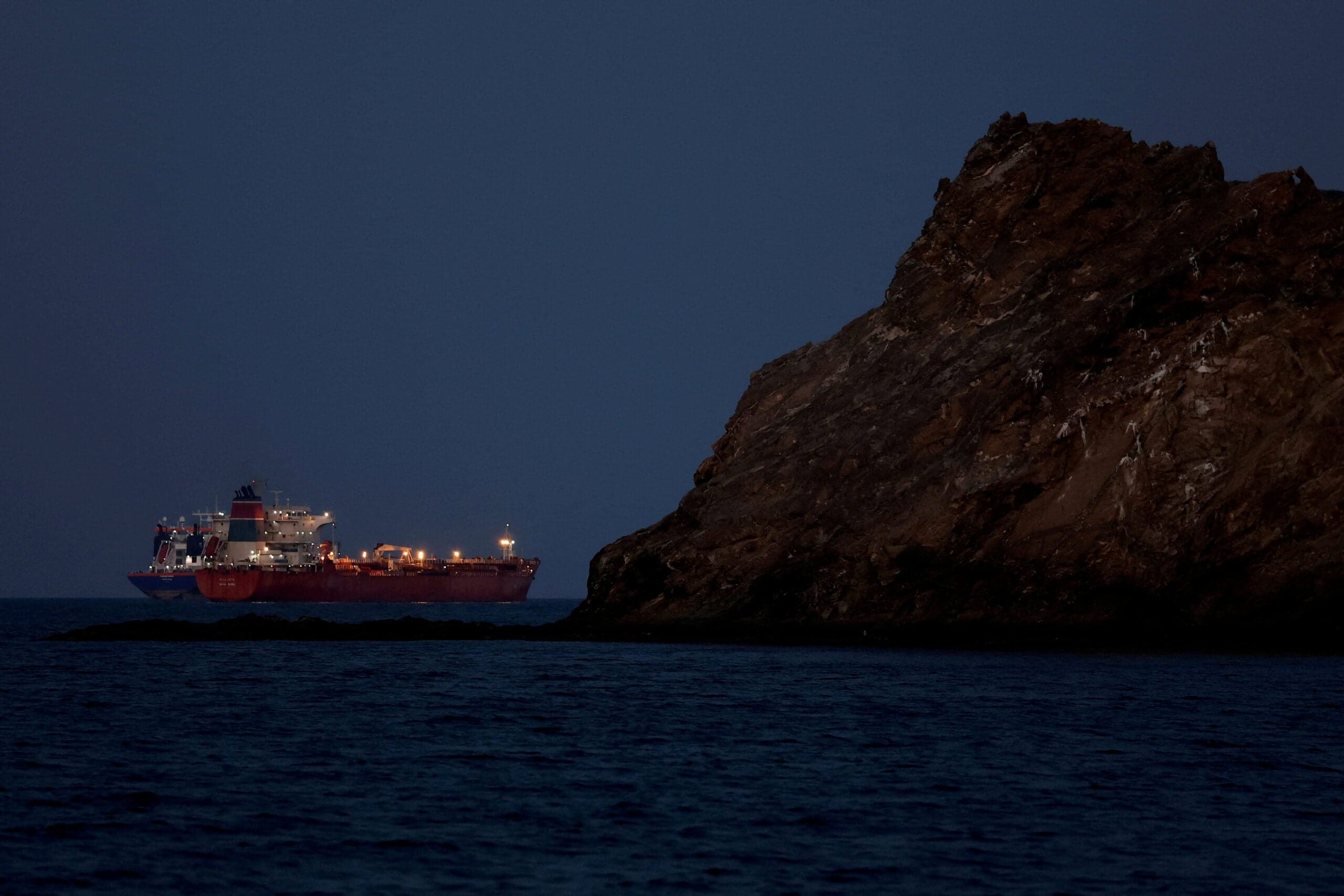
A commercial tanker recently sustained a strike from an unidentified projectile while navigating near the Strait of Hormuz. This incident occurred within a maritime zone reportedly associated with a covert shipping corridor coordinated by the United States. The attack underscores the persistent security risks faced by commercial vessels transiting this vital waterway.
For freight forwarders and operations managers, this event signifies an elevated risk environment in a critical chokepoint for global oil and gas shipments. Such incidents can lead to increased war risk insurance premiums, potential vessel diversions, and delays, directly impacting transit times and overall shipping costs. Forwarders should monitor the situation closely and advise shippers on potential disruptions and alternative routing strategies, while also factoring in higher operational expenses due to enhanced security measures or insurance surcharges.
The Strait of Hormuz is a strategically important passage connecting the Persian Gulf to the open ocean, through which a significant portion of the world's seaborne oil passes. Any disruption in this area has far-reaching implications for global energy markets and supply chains. The involvement of a 'covert US-coordinated shipping corridor' suggests efforts to manage security risks, yet the attack indicates the complexity and volatility of the regional geopolitical landscape. The full implications of this specific incident, including the identity of the attacker and the precise nature of the projectile, remain under investigation.