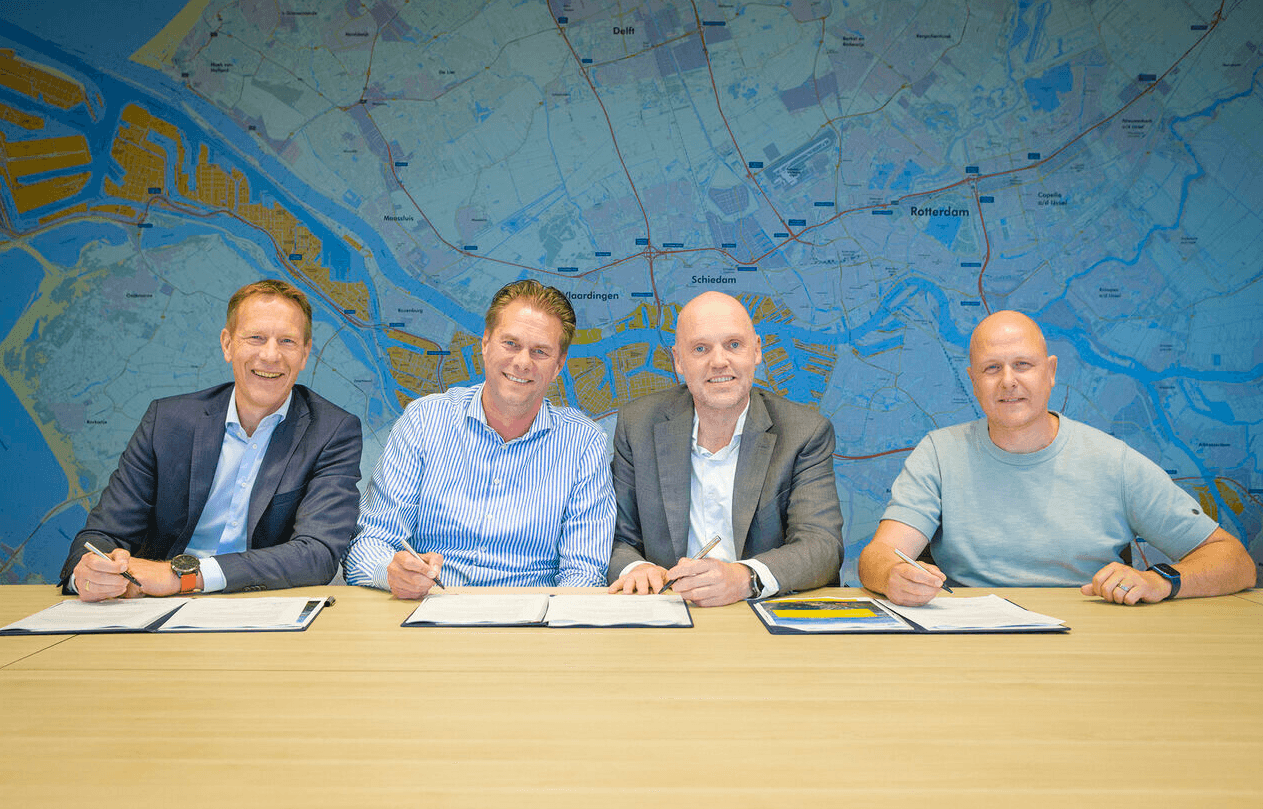
The Port of Rotterdam has initiated a major expansion of its shore power network, specifically targeting inland shipping. The port authority has awarded contracts to facilitate the development and standardization of these crucial facilities. This strategic move is designed to enable inland vessels to connect to the port's electricity grid while docked, thereby eliminating the need to run their diesel generators.
This project is a key component of Rotterdam's broader sustainability agenda. By providing shore power, the port aims to significantly reduce air pollution and noise emissions from inland vessels, contributing to a cleaner environment for both port operations and surrounding communities. The expansion also includes strengthening digital monitoring capabilities, which will allow for more efficient management and utilization of the shore power infrastructure.
For freight forwarders and logistics managers, this development signifies a move towards more sustainable inland transport options. While not directly impacting ocean freight rates or capacity, it supports the greening of the supply chain's inland leg, particularly for cargo moving through Rotterdam. Forwarders may see increased demand for carriers utilizing these greener solutions, potentially influencing carrier selection based on environmental credentials. It also aligns with growing regulatory and shipper pressure for reduced Scope 3 emissions. The standardization aspect will simplify connections for vessel operators, potentially improving turnaround times and operational efficiency for inland barges.
Looking ahead, the Port of Rotterdam's continued investment in shore power infrastructure underscores its commitment to becoming a leading sustainable port. This expansion is expected to encourage more inland vessels to adopt shore power, further solidifying Rotterdam's position as a hub for environmentally responsible logistics.