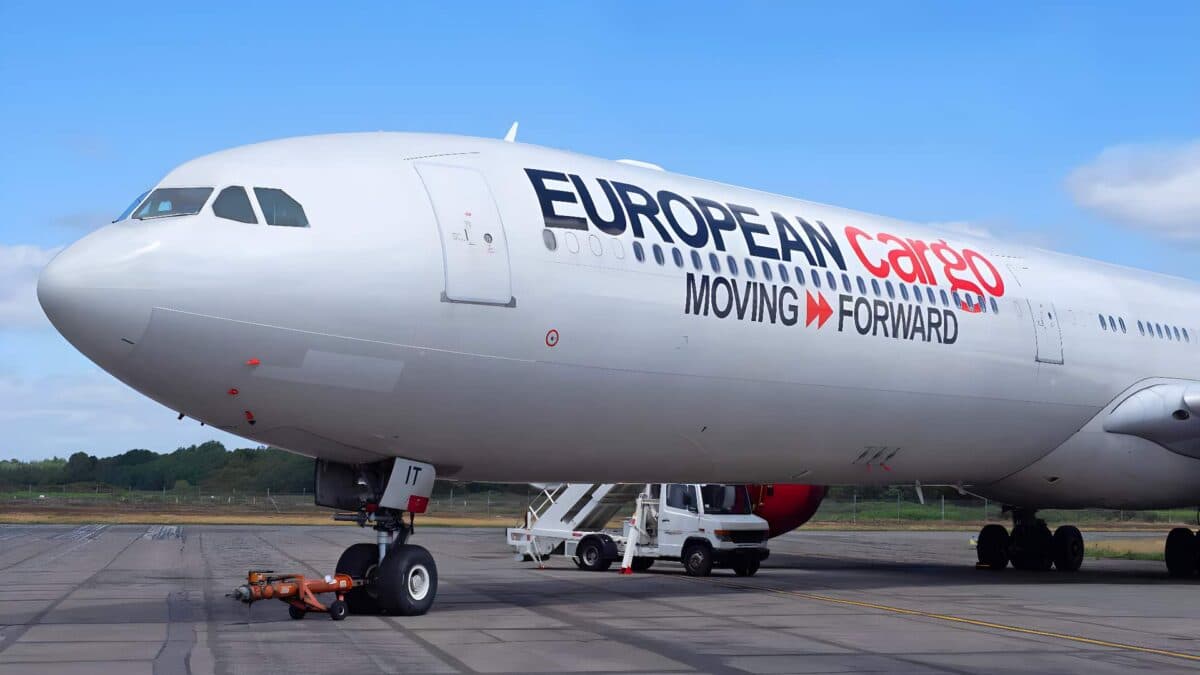
European Cargo, a niche airfreight operator, recently entered administration, a development attributed to systemic issues beyond just escalating fuel expenses. The company's business model was undermined by several factors, including a grounded fleet of A340 aircraft, a substantial reduction in operational flying hours, and a high concentration of its customer base. These internal vulnerabilities created a precarious financial situation that made the carrier highly susceptible to external market pressures.
For freight forwarders and logistics professionals, this event underscores the risks associated with relying on highly specialized or smaller niche carriers, particularly those with limited operational flexibility or diversified customer portfolios. The collapse could lead to a temporary reduction in specific air cargo capacity, especially for routes or cargo types previously served by European Cargo's A340 fleet. Forwarders should assess their exposure to similar niche operators and consider diversifying their carrier partnerships to mitigate future disruptions. It also highlights the importance of carrier financial health and operational resilience when selecting partners for critical airfreight movements.
While the immediate impact on global air cargo capacity may be localized, the incident serves as a cautionary tale for the broader airfreight sector regarding the sustainability of highly specialized models in a volatile market. It suggests that carriers need robust operational strategies and diversified revenue streams to withstand economic headwinds and unforeseen cost increases.