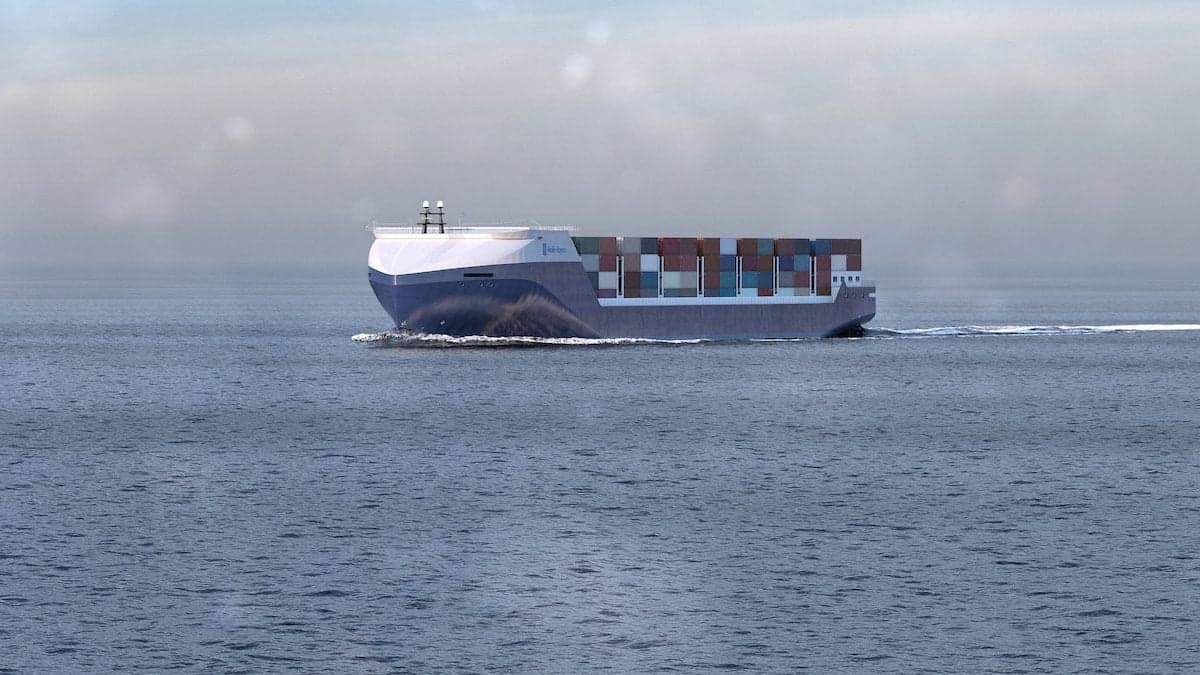
The International Maritime Organization (IMO) has formally adopted a mandatory instrument concerning Maritime Autonomous Surface Ships (MASS). This significant development marks a pivotal shift, transitioning autonomous vessel operations from conceptual stages to a regulated reality within the global maritime industry. The new framework aims to standardize the design, construction, and operation of autonomous vessels, ensuring they meet international safety, security, and environmental protection standards.
For freight forwarders and operations managers, this adoption signals a clear trajectory towards increased automation in maritime logistics. While fully autonomous vessels are still some years away from widespread deployment, the regulatory clarity provided by the IMO's MASS Code will accelerate their development and integration. This could eventually lead to more predictable transit times, potentially lower operational costs due to reduced crew requirements, and enhanced safety through advanced navigation systems. Forwarders should monitor pilot projects and regulatory updates to understand how these changes might impact vessel scheduling, port operations, and cargo handling procedures in the long term. The gradual implementation of MASS could also influence vessel capacity and routing strategies as new, more efficient vessel types become available.
The adoption of the MASS Code by the IMO provides a foundational legal and operational structure for the future of autonomous shipping. This includes provisions for remote control centers, cybersecurity, and the interaction between autonomous and conventionally crewed vessels. The move is expected to foster innovation and investment in maritime technology, paving the way for a new era of shipping operations.