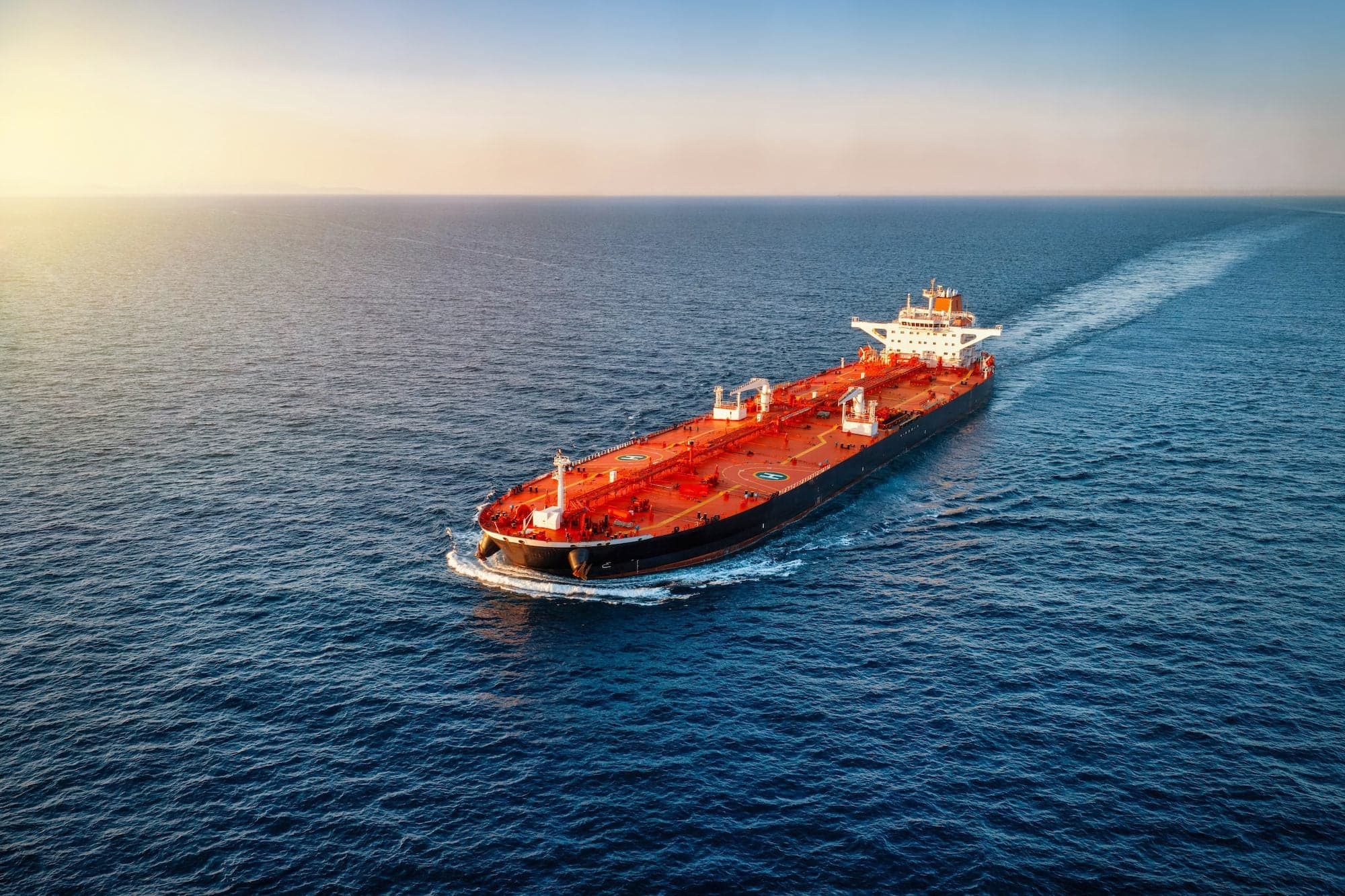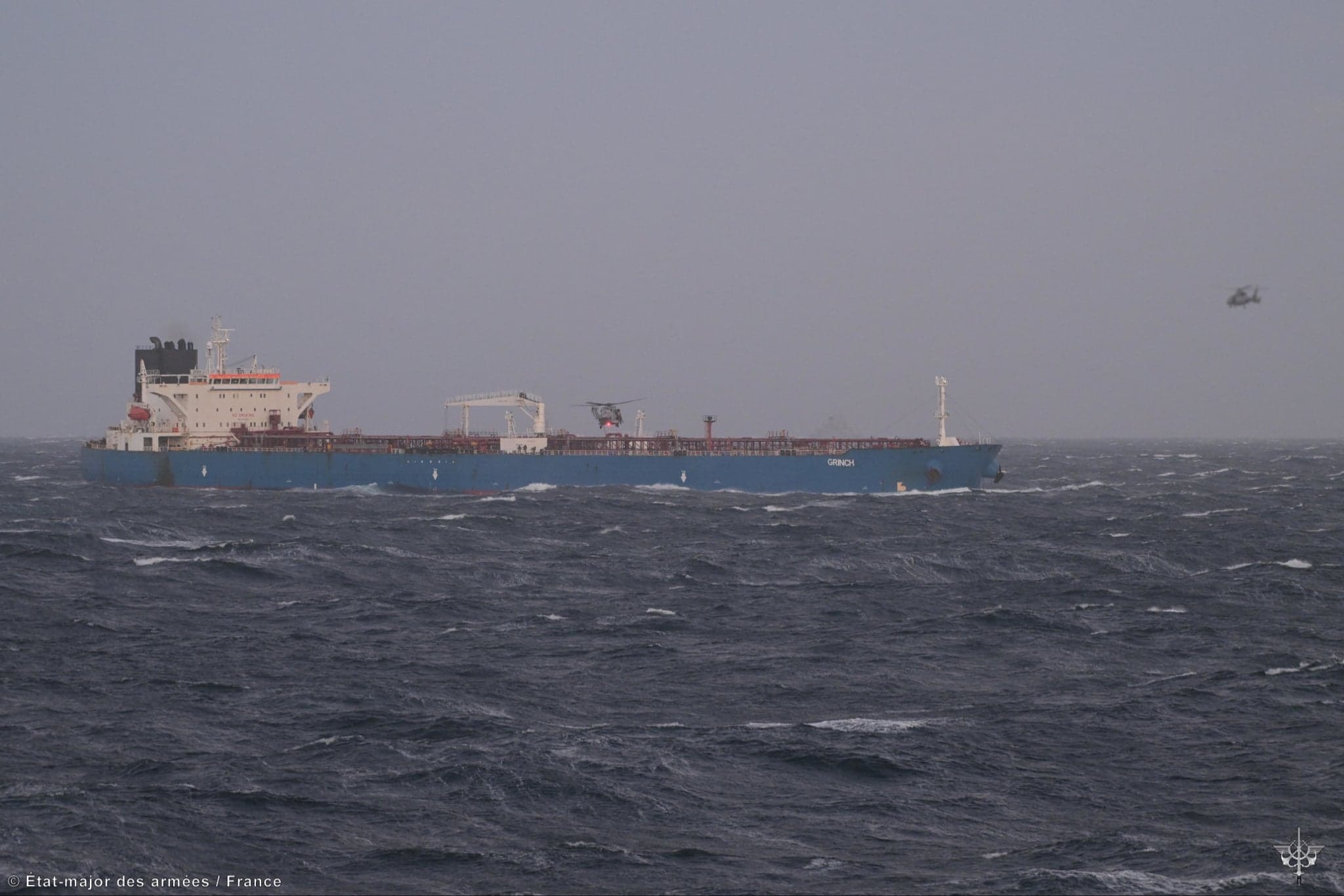
French naval forces recently intercepted and boarded a tanker suspected of belonging to Russia's 'shadow fleet.' This incident marks a continuation of France's aggressive maritime enforcement campaign, which is among Europe's most robust efforts to ensure compliance with sanctions against Russia.
The 'shadow fleet' refers to a collection of older vessels, often operating under opaque ownership structures and flags of convenience, used to transport Russian oil and other goods while attempting to evade international sanctions and price caps. These vessels frequently lack proper insurance and maintenance, posing environmental and safety risks.
For freight forwarders and supply chain managers, such interceptions underscore the heightened scrutiny on maritime traffic linked to sanctioned entities. This could lead to increased due diligence requirements for vessel selection, potential delays if shipments are on vessels suspected of sanctions evasion, and a possible increase in war risk premiums or insurance costs for certain routes or vessel types. The ongoing enforcement actions by European nations aim to disrupt these illicit shipping networks, which may indirectly affect the broader shipping market by reducing the pool of available, compliant vessels.
While the article does not specify immediate next steps, it indicates a continued focus by France and other European nations on monitoring and intercepting vessels that are part of the 'shadow fleet' to enforce sanctions.