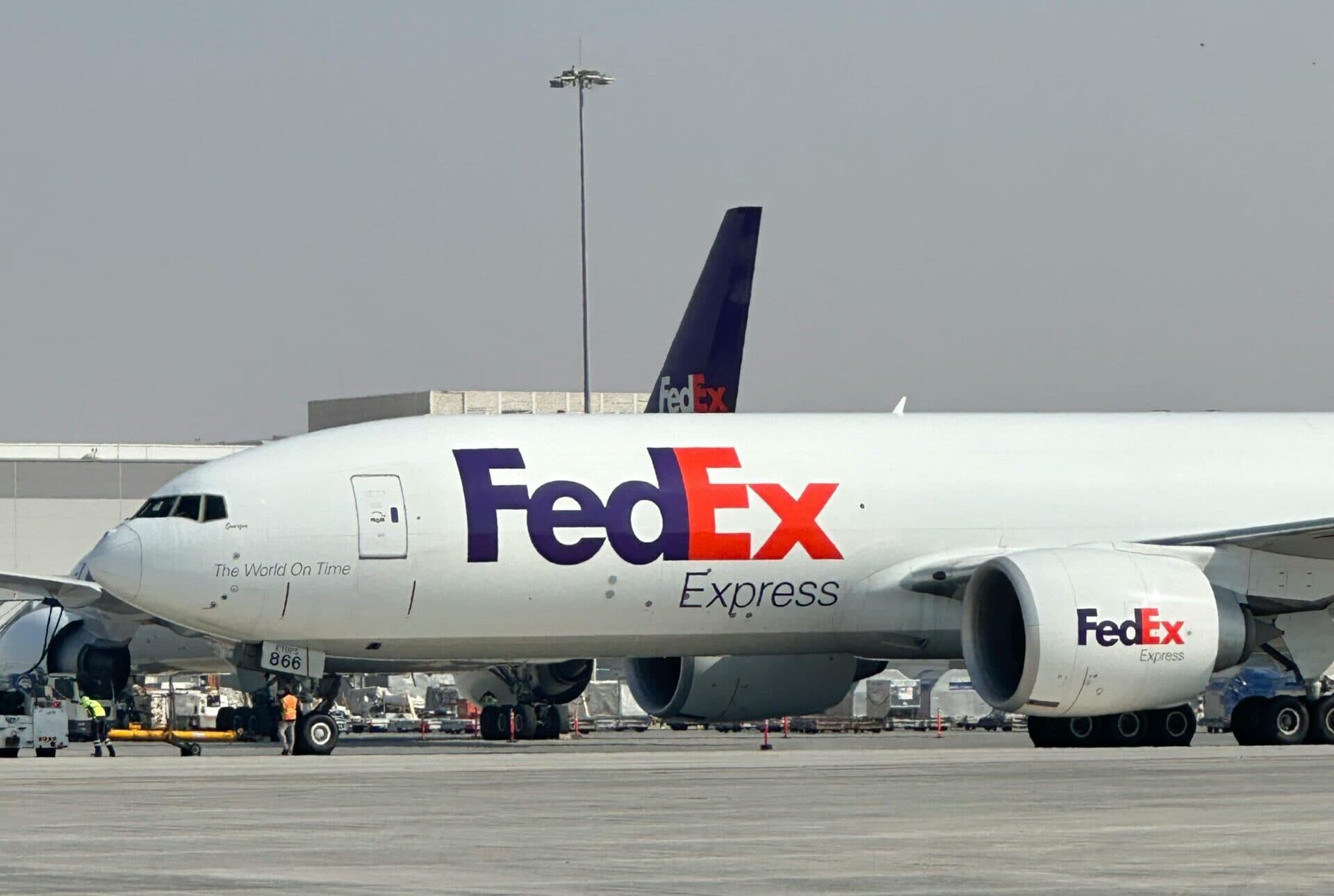
Four months following the signing of the UK-Indonesia Economic Growth Partnership, the primary focus has shifted from policy aspirations to the tangible realities of operational logistics. This transition underscores the critical importance of effective logistics execution in determining whether contemporary trade agreements can genuinely stimulate economic growth, particularly in an environment marked by ongoing geopolitical tensions and supply chain volatility. FedEx is specifically mentioned for its active involvement in supporting cross-border cargo movements, illustrating how private sector logistics providers are instrumental in translating trade policies into practical benefits.
For freight forwarders and operations managers, this development signifies a renewed emphasis on the efficiency and reliability of logistics networks connecting the UK and Indonesia. The success of this partnership hinges on seamless cargo flow, which could lead to increased trade volumes and potentially more stable freight rates on these lanes. Forwarders should monitor any specific initiatives or infrastructure improvements stemming from this partnership that could optimize routing, reduce transit times, or enhance capacity. The practical involvement of major integrators like FedEx suggests a focus on streamlined processes and potentially integrated solutions for B2B logistics, which could benefit shippers looking for reliable services between these two regions.