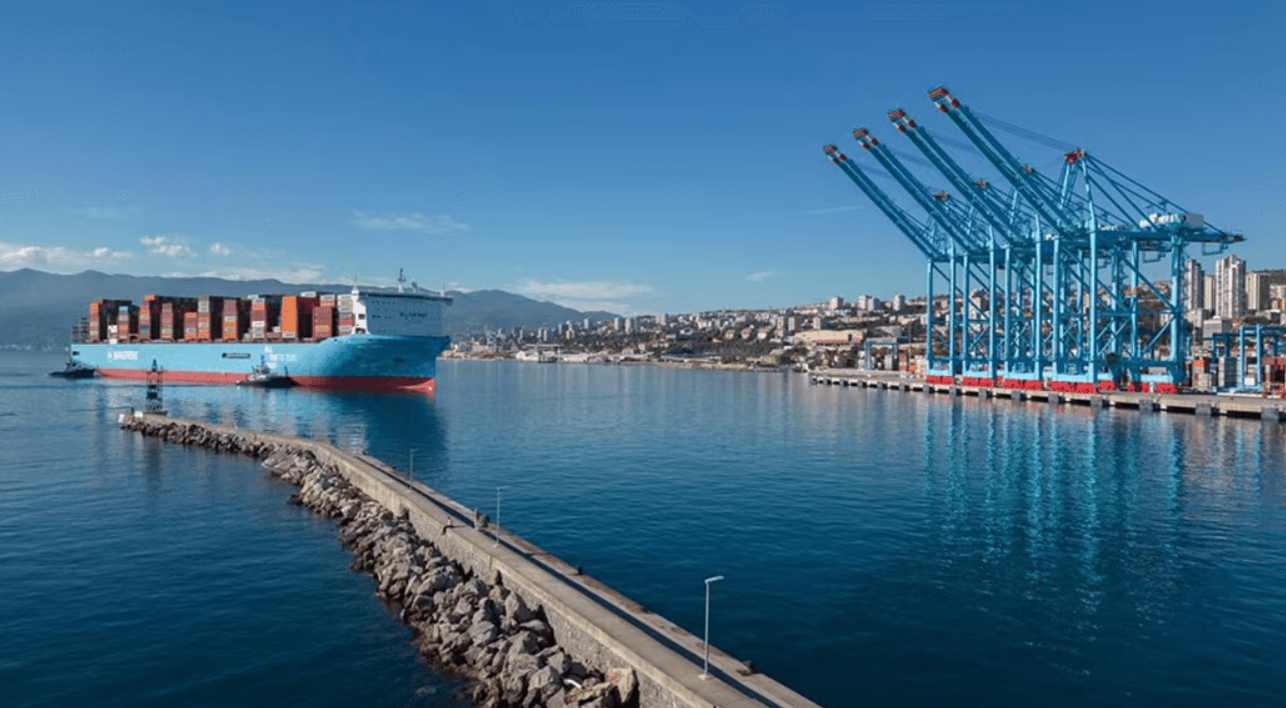
Maersk has issued a warning regarding potential tightening and delays within European logistics networks. This outlook is attributed to a combination of factors, including persistent congestion at major hubs such as Rotterdam, the ongoing security challenges and rerouting necessitated by the Middle East conflict, the introduction of new costs from the UK Emissions Trading Scheme (ETS), and upcoming changes to EU customs regulations. These elements are collectively reshaping operational planning for shippers, freight forwarders, and cargo owners utilizing Maersk's key trade lanes.
For freight forwarders and operations managers, this situation implies a need for heightened vigilance and proactive planning. Expect potential schedule unreliability, increased transit times, and possibly higher costs due to surcharges related to longer voyages or emissions. Capacity might become more constrained, particularly for inland logistics from congested ports. Forwarders should communicate transparently with clients about potential delays and explore alternative routing or multimodal solutions where feasible. The new customs rules will also demand updated compliance procedures, potentially adding administrative burdens and requiring careful documentation management to avoid further delays.
The confluence of these issues suggests a complex operating environment for the foreseeable future. Forwarders should monitor port conditions closely, especially at Rotterdam, and stay informed about the latest regulatory changes and their implementation timelines to mitigate impacts on their supply chains.