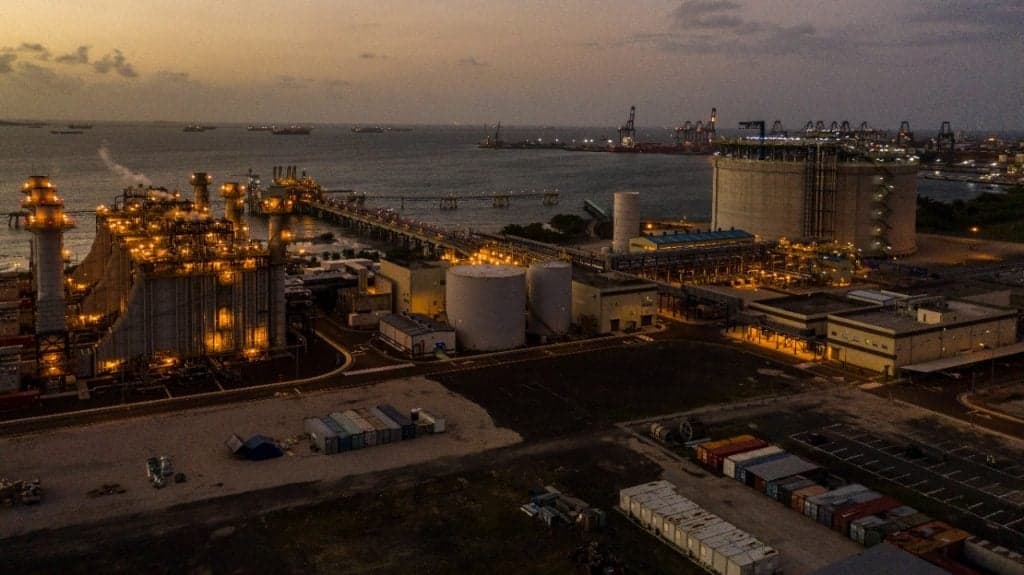
An independent arbitration tribunal has been officially constituted to resolve a dispute concerning the revocation of permits for a significant gas-to-power development and liquefied natural gas (LNG) terminal project in Panama. The case involves Sinolam International, a Singapore-based investment firm specializing in energy projects across emerging markets in Asia and Latin America.
This development underscores growing concerns about regulatory stability and investment risk within Latin American energy sectors. The outcome of this arbitration could significantly influence the viability and future development of LNG-to-power infrastructure in the region, as well as the broader landscape for cross-border capital investment in energy projects.
For freight forwarders and logistics professionals, such disputes introduce an element of uncertainty for project cargo movements, particularly for large-scale energy infrastructure. The cancellation of permits can lead to delays or complete halts in the transport of heavy-lift and oversized equipment required for LNG terminals and power plants. This situation may affect vessel bookings, port logistics, and inland transportation planning, potentially causing financial implications due to stranded assets or revised project timelines. Forwarders should monitor regulatory environments in regions with planned large-scale energy projects to assess potential risks to their project cargo operations.