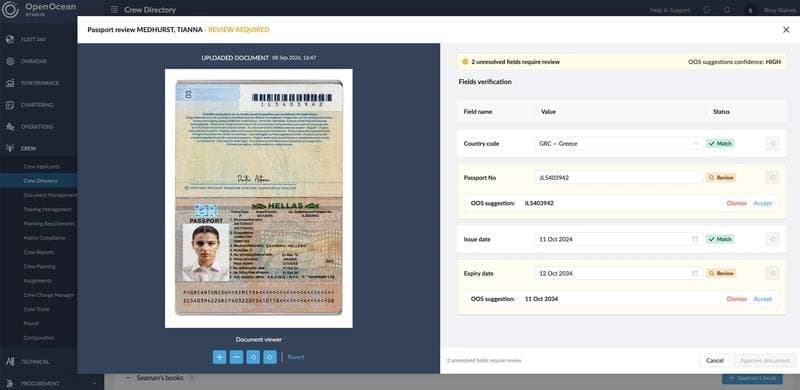
The shipping industry is actively moving towards integrating Artificial Intelligence (AI) into its core operations, transitioning from conceptual discussions to tangible deployments. This strategic shift is driven by the potential of AI to enhance efficiency, optimize resource allocation, and improve decision-making processes across the complex maritime ecosystem. Key areas of focus include predictive maintenance for vessels, route optimization to reduce fuel consumption and transit times, and automating various administrative and operational tasks.
For freight forwarders and operations managers, this trend signifies a future with potentially more reliable schedules, reduced operational costs due to optimized vessel performance, and improved visibility into shipment statuses. AI-driven analytics can offer better insights into market trends, enabling more informed decisions on pricing and capacity management. Furthermore, the automation of routine tasks could free up personnel to focus on more complex problem-solving and customer service, ultimately enhancing the overall supply chain efficiency.