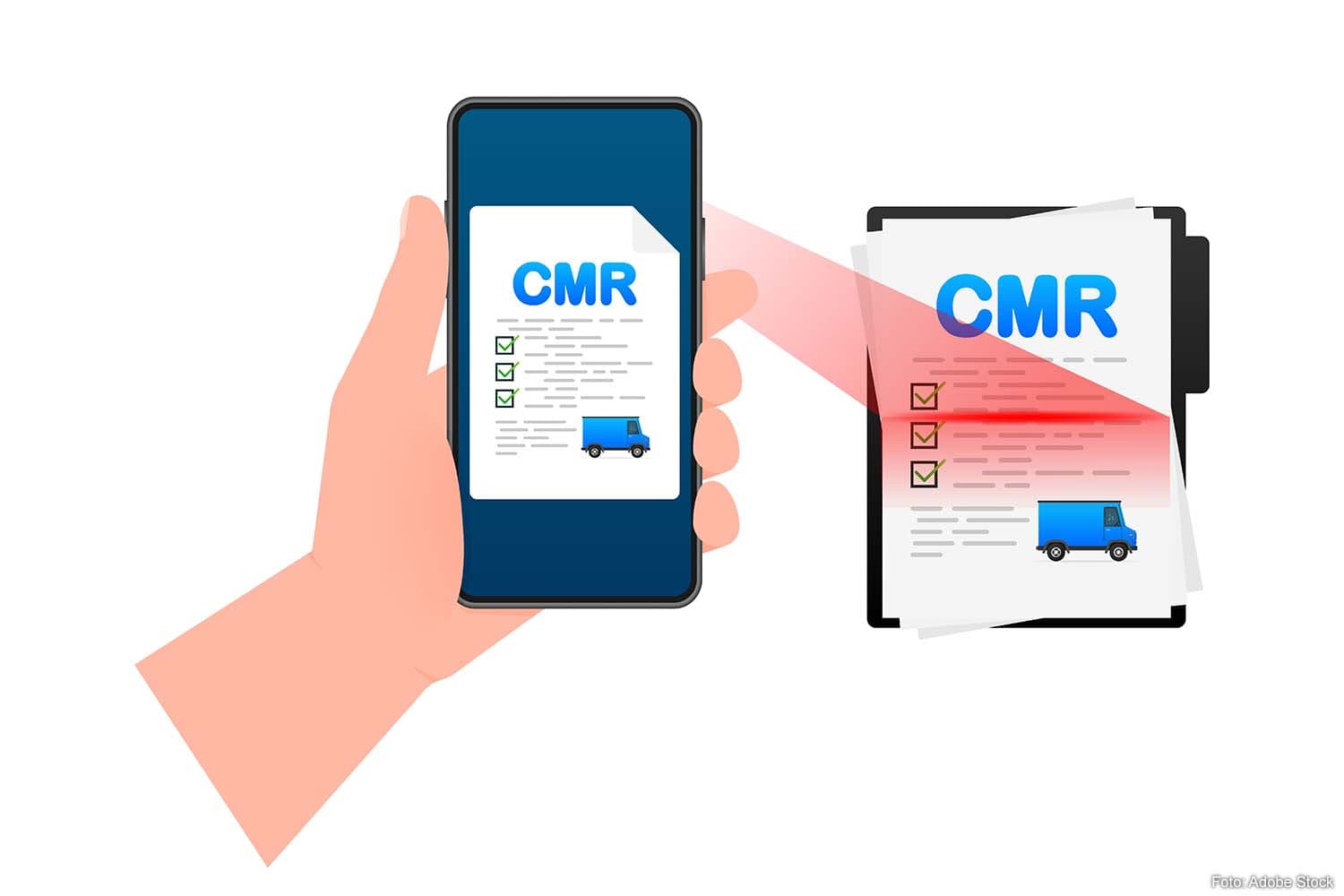
The CMR Convention, which establishes the legal framework for international road freight transport, recently observed its 70th anniversary. Despite its long-standing role, the adoption of electronic consignment notes (eCMR) remains remarkably low. Annually, around 280 million international transport operations fall under the CMR Convention, but fewer than 1% of these transactions utilize digital documentation.
This low adoption rate indicates a substantial gap in the digitalization efforts within the road freight sector, particularly concerning cross-border movements. The continued reliance on paper-based processes can lead to inefficiencies, administrative burdens, and slower data exchange.
For freight forwarders and operations managers, the limited use of eCMR means that many international road shipments still involve manual handling of paperwork. This can impact operational efficiency, increase the risk of errors, and delay customs clearance or proof of delivery. A wider adoption of eCMR would streamline processes, enhance visibility, and potentially reduce administrative costs, offering a more efficient and transparent flow of goods across borders.