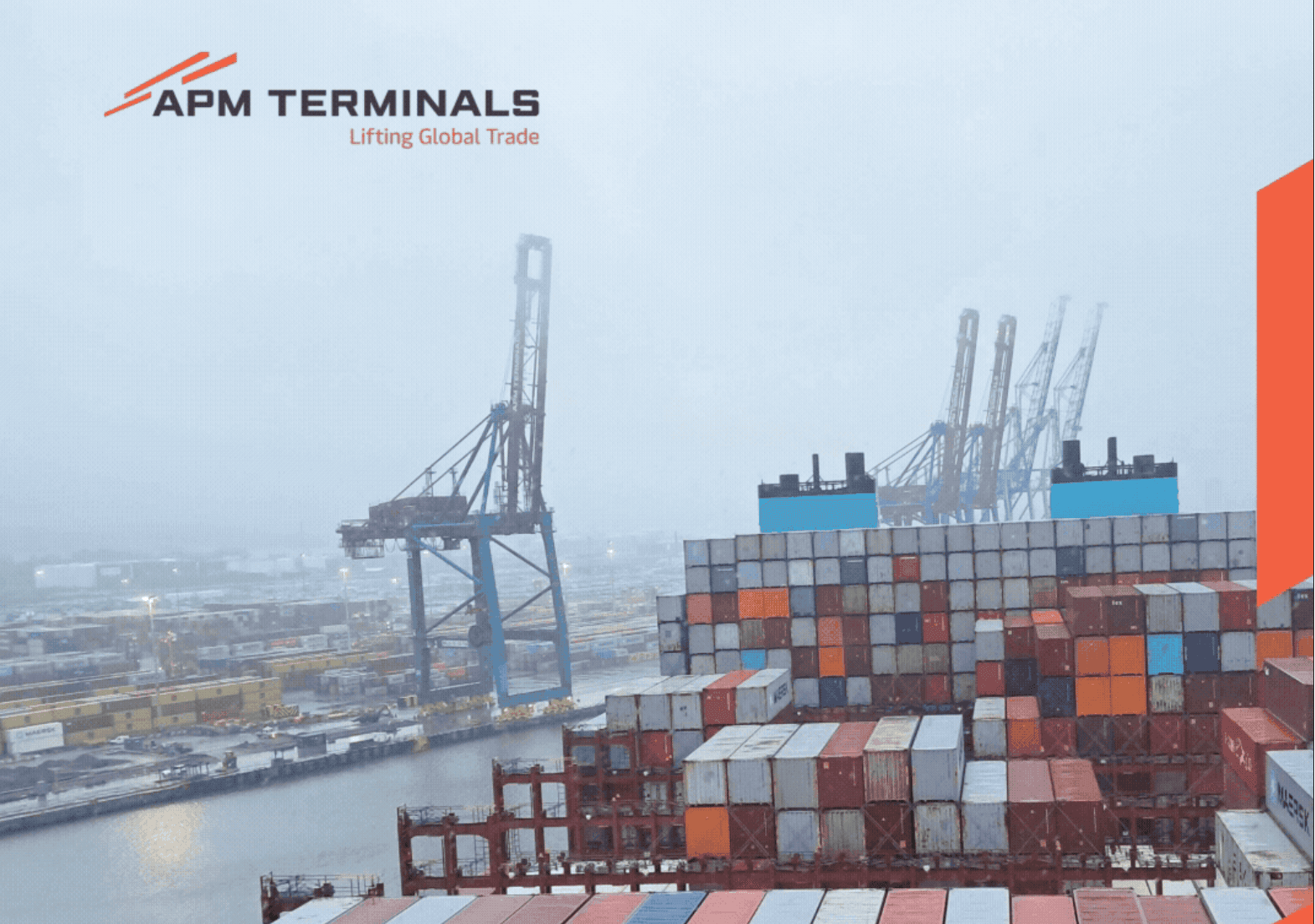
APM Terminals Gothenburg has become the primary gateway for Swedish container imports, now processing 56% of the nation's total volume. This surge in activity is largely attributed to the increasing size of container vessels calling at the port, which places considerable pressure on existing port capacity and, crucially, on the efficiency of inland logistics, particularly rail connections.
For freight forwarders and operations managers, this development underscores the vital importance of robust rail infrastructure for seamless cargo movement. Increased reliance on a single port for a majority of imports means that any disruption in Gothenburg, or along its rail links, could have widespread implications for the Swedish supply chain. Forwarders should anticipate potential bottlenecks and plan for diversified inland transport options where feasible, while also monitoring rail capacity and scheduling closely. The trend towards larger vessels necessitates a corresponding upgrade in intermodal capabilities to prevent congestion and delays in cargo delivery.