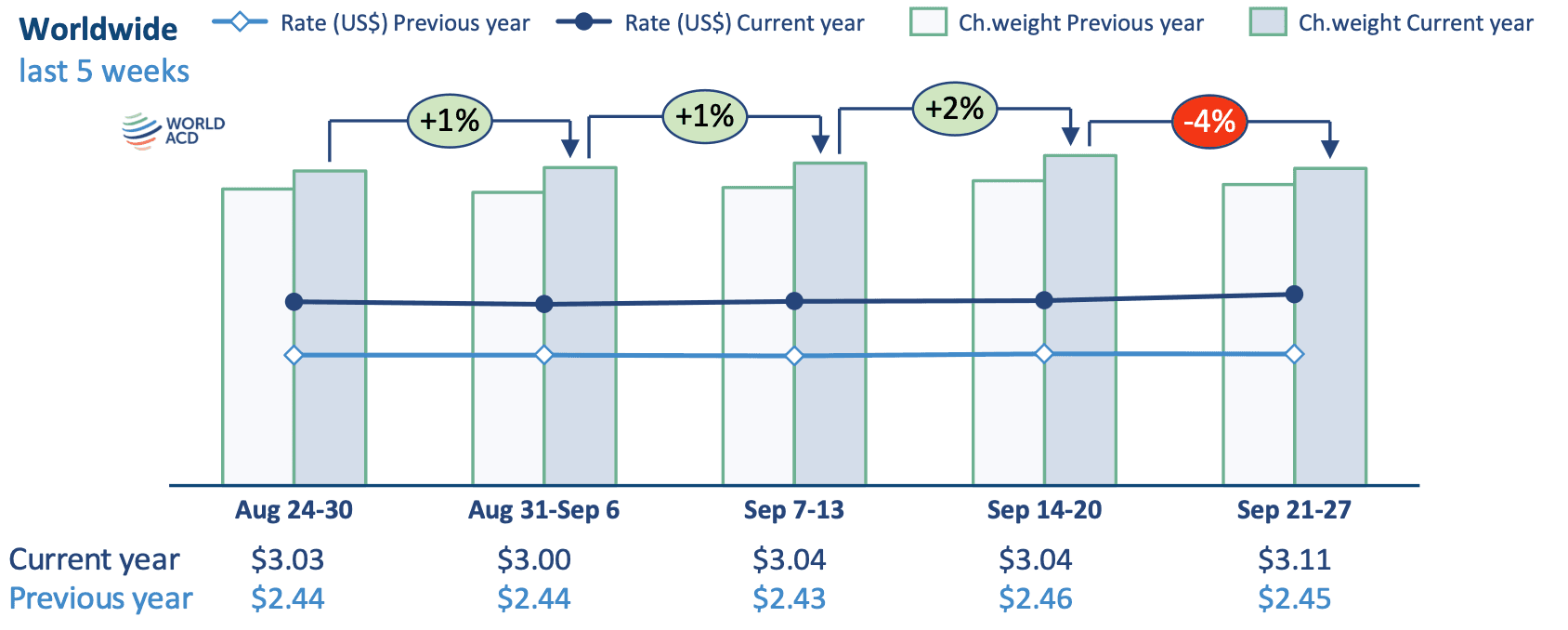
The air cargo corridor connecting China and Europe is currently undergoing substantial transformation, raising concerns about its long-term stability. Several key factors are contributing to this shift, including a notable increase in fuel prices, which directly impacts operational costs for air carriers. Furthermore, the availability and restrictions surrounding airspace access are creating inconsistencies in flight paths and scheduling.
Policy changes, both within China and Europe, are also playing a crucial role in reshaping the trade lane. These regulatory adjustments can affect everything from customs procedures to environmental standards, adding layers of complexity for logistics providers. Concurrently, the rapid expansion of e-commerce volumes is altering demand patterns and the types of goods being transported, placing new pressures on existing air cargo infrastructure and services.
For freight forwarders and operations managers, these developments suggest potential volatility in capacity and pricing on the China-Europe air route. Increased fuel costs may lead to higher surcharges, while airspace restrictions could cause delays or necessitate longer, more expensive flight paths. Forwarders should closely monitor policy updates and anticipate potential shifts in carrier strategies as they adapt to the evolving e-commerce landscape. Strategic planning and diversification of routing options may become increasingly important to mitigate risks and ensure reliable service for shippers.