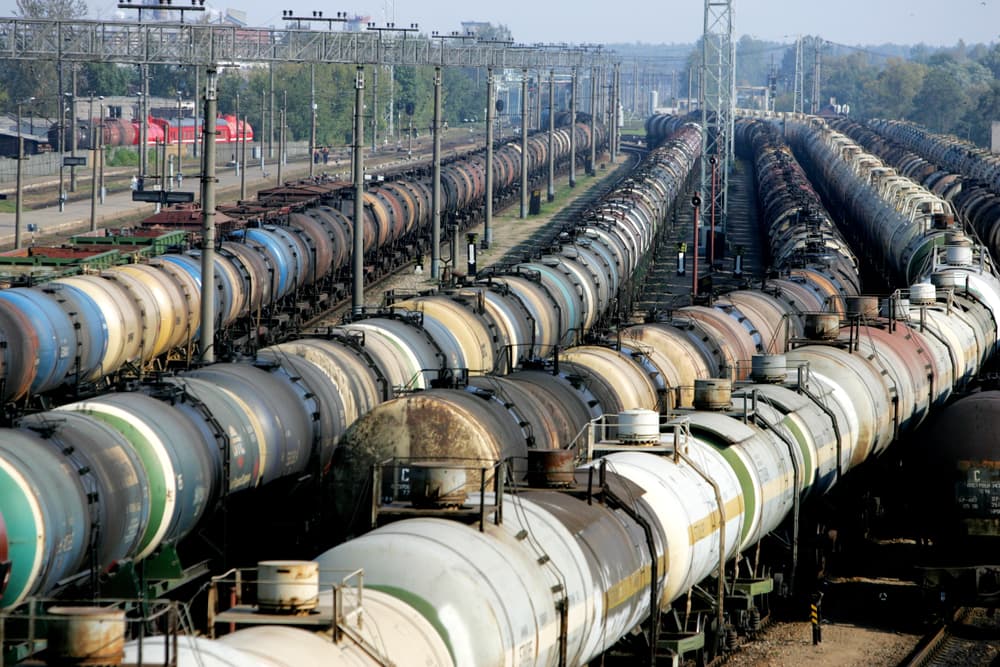
Latvia's rail freight sector experienced a significant downturn in the initial seven months of 2026, with volumes falling by almost 20% year-on-year. This marks a continuation of a persistent decline observed over the past decade, largely driven by evolving geopolitical dynamics and the imposition of Russian tariffs on goods transiting through Latvia.
The historical context reveals a gradual shift in trade routes and a reduction in reliance on Latvian rail for transit, particularly for cargo originating from or destined for Russia. The current tariffs have exacerbated this trend, making the route less economically viable for shippers.
For freight forwarders and operations managers, this sustained decline in Latvian rail freight indicates reduced capacity and potentially fewer direct rail service options through the country. Shippers may need to explore alternative routes, such as those through other Baltic states or different transport modes, to avoid the higher costs associated with Russian tariffs. This situation necessitates a re-evaluation of supply chain strategies for cargo moving between Europe and Russia/CIS regions, potentially increasing transit times or costs.
While the article does not explicitly state future actions, the ongoing geopolitical tensions and tariff structures suggest that the downward trend could persist, prompting further diversification of logistics corridors away from traditional routes through Latvia.