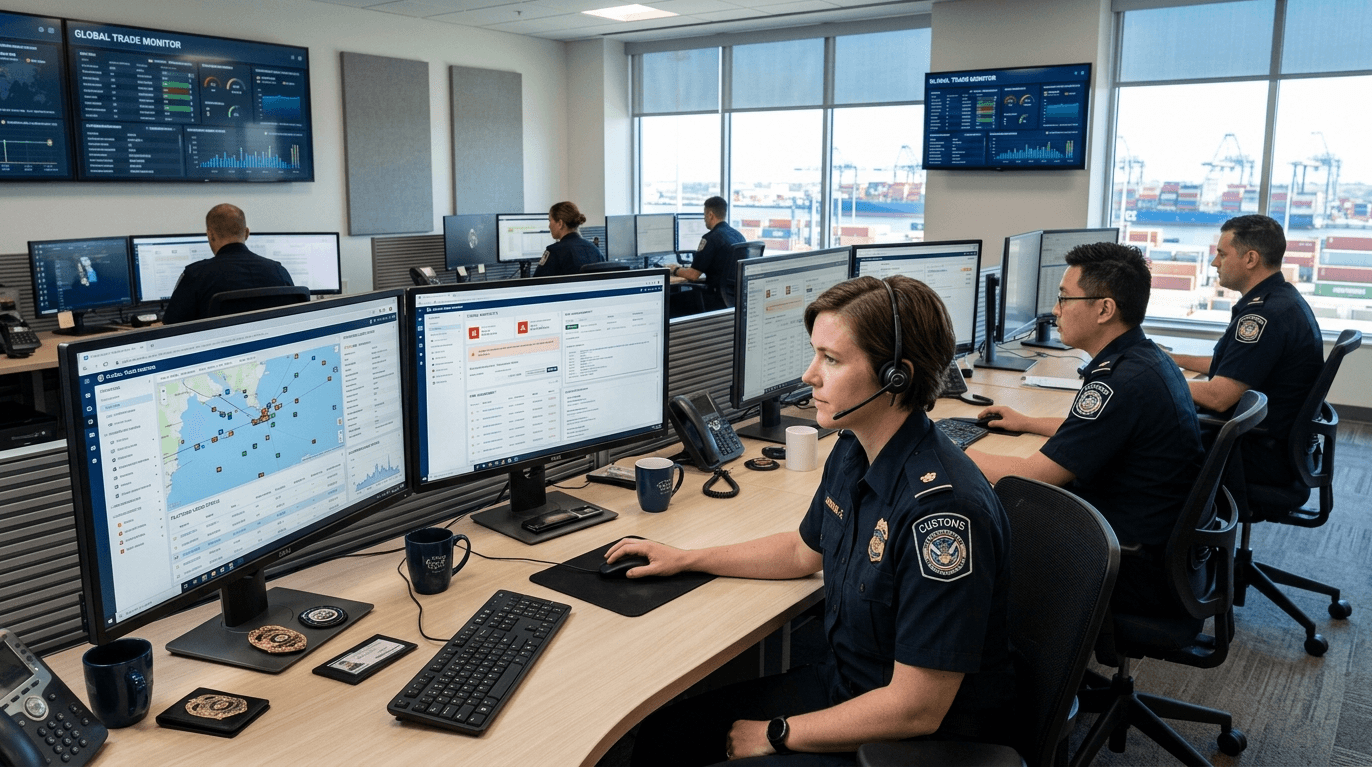
A significant technological transformation is underway in global customs, compelling logistics providers and customs agencies across North America, Europe, and Asia to implement agentic AI for processing declarations. This move is a direct response to the limitations of outdated legacy systems, which are struggling to cope with the exponential growth of e-commerce and the inherent volatility of international tariffs. The adoption of agentic AI aims to streamline complex customs procedures, enhance accuracy, and improve efficiency in trade compliance.
For freight forwarders and operations managers, this development signifies a critical need to adapt to new digital customs platforms and processes. Understanding and integrating with AI-powered declaration systems will become essential to maintain efficient cargo flow and avoid delays. The transition may initially require investment in new software and staff training, but it promises long-term benefits in terms of reduced manual errors, faster clearance times, and improved compliance. Shippers can expect more predictable and potentially quicker customs processing, especially for high-volume e-commerce shipments, but will need to ensure their data inputs are precise to leverage the AI's capabilities fully.
Looking ahead, the widespread adoption of agentic AI is expected to reshape the landscape of international trade compliance. This technology will likely lead to more standardized and automated customs procedures globally, potentially reducing the administrative burden and costs associated with cross-border trade. However, it also raises questions about data security, interoperability between different AI systems, and the need for continuous regulatory updates to keep pace with technological advancements.